
How do simple machines help us
Learners examine familiar examples of simple machines and develop criteria for what makes their use helpful.



Overview
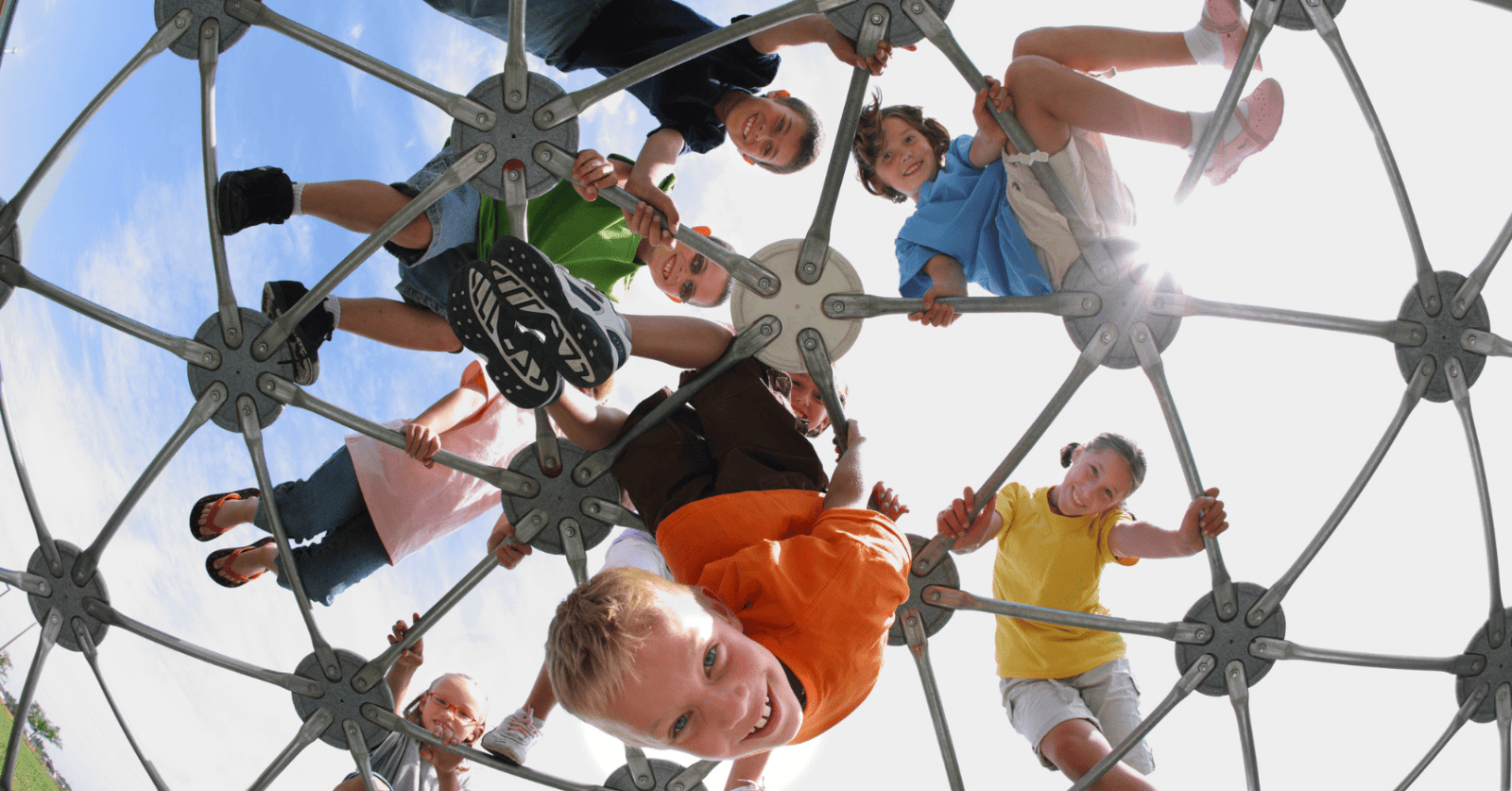
In this thought starter activity, learners look at familiar examples of simple machines used in playgrounds and everyday life. Using images and class discussion, learners explore how these machines help people and make tasks easier or safer. Learners may also use simple recycled materials, where available, to build and test small models of simple machines.
These ideas can also be seen in BC Hydro recreation areas and visitor sites, where structures are designed to help people move safely.
Instructions
What you'll need
- What Makes Simple Machines Helpful? Activity Sheet
- What Makes Simple Machines Helpful Slide Deck
- Chart paper or whiteboard
- Markers
- Pencils/coloured pencils (optional for sketching)
- Optional (for hands-on exploration, where available):Recycled or reused materials (e.g., cardboard tubes, bottle caps, string, small boxes, paper fasteners)
Start the Thinking
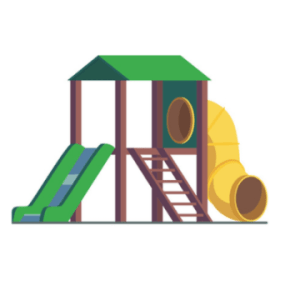
- Display several images showing simple machines being used in familiar situations (e.g., playground equipment, ramps, pulleys, wheels, levers).
- Ask learners: What might simple machines do to help us? Invite learners to think quietly and choose one example to talk about, then share their thinking with a partner.
- Prompt:
- What might the simple machines help people do?
- What clues in the pictures show that?
- Prompt:
- Invite volunteers to share their ideas and thinking with the class. Record key words and/or sketches on chart paper.
- Explain that today, learners will explore what makes simple machines helpful. Distribute the What Makes Simple Machines Helpful? Activity Sheet. Invite learners to record their first thought about the activity question, reminding them that they may change as they learn more.
Grow the Thinking
- Explain that learners are now going to look more closely at how simple machines help people in different situations.
- Invite learners to use these 5Ws questions to guide their thinking:
- Who might use this simple machine?
- What might it help them do?
- Where might it be used?
- How might it make the job easier or safer?
- Why might this be useful here?
- Ask learners to return to an image and add new ideas to their activity sheet. Encourage them to use evidence from the image to support their thinking. Invite learners to name the simple machine they notice (e.g., lever, pulley, wheel and axle, inclined plane, wedge, screw). Explain that one design can include more than one simple machine.
- As ideas emerge, record and group them on chart paper. Co-construct the criteria below. Explain that learners will use these criteria to make their ideas stronger.
A simple machine is helpful when it…- makes work easier, and
- keeps people safe.
Reflect on the Thinking
- Invite learners to re-examine their example using the criteria. Ask:
- Which criterion does it meet most strongly?
- Is another example more helpful now?
- Invite learners to reflect on how their thinking has changed. You might ask:
- What do you understand better now?
- What helped you improve your thinking?
- Which criteria helped most?
- Invite volunteers to share one revised idea and explain how their thinking has changed.
- Invite learners to think ahead by asking the questions below. Encourage learners to use the criteria when they explain their thinking.
- Where might simple machines be helpful in your school, home, community, or at places like BC Hydro recreation areas?
- How could they make something easier, safer, or more accessible for people?
Modify or extend this activity
Modification:
- Using fewer images (2–3) and completing the activity sheet together as a class.
- Letting learners respond orally (or with audio recording) instead of writing.
- Providing sentence starters, such as: “This is helpful because… / I notice… / A clue is…”
- Offering a word bank (e.g., effort, safer, easier, move, lift, turn, pull, push, include).
- Having learners work in pairs/small groups, with one recorder and one speaker.
Extentions:
- Inviting learners to apply the criteria to a new image (or a local example in the classroom/school) and explain their ideas.
- Sending learners on a brief “simple machines walk” (classroom/schoolyard) to find and photograph/sketch examples and explain what makes each helpful.
- Adding an “energy connection” reflection where appropriate: How does this design help people use effort (energy) wisely or safely?
- To help connect this activity to later design work, you may show images of playground equipment and invite learners to suggest which simple machines might make the equipment safer, more fun, or more inclusive. Learners can use the shared criteria and questions to guide their ideas.
Optional Hands-On Exploration
Invite learners to use simple recycled or reused materials (e.g., cardboard tubes, bottle caps, string, small boxes, paper fasteners) to create a quick model showing how a simple machine might work in their example. Encourage learners to connect what they notice in their model back to the images and their activity sheet.
Emphasize that the goal is not to build a finished product, but to explore how materials and movement affect effort, safety, and ease of use.
Curriculum Fit
Core Competencies
Communication
- connecting and engaging with others
- Acquiring and presenting information
- Focusing on intent and purpose
Thinking
- Questioning and investigating
- Analyzing and critiquing
- Reflecting and assessing
- Evaluating and developing
- Generating and incubating
Personal and Social
- Building relationships
- Contributing to community and caring for the environment
- Recognizing personal values and choice
Science 3–6
Big Ideas
- Energy can be transformed. (Grade 4)
- Machines are devices that transfer force and energy. (Grade 5)
- Newton’s laws describe the relationship between force and motion. (Grade 6)
Content
- Forms and conservation of energy (Grade 4)
- Devices that transform energy (Grade 4)
- Properties of simple machines and their force effects (Grade 5)
- Constructed and natural machines (Grade 5)
- Power and energy transfer (Grade 5)
- Balanced and unbalanced forces (Grade 6)
- Relationships between force and motion (Grade 6)
Curricular Competencies
Questioning and Predicting
- Observe objects and events in familiar contexts (Grades 3–4)
- Identify questions about how simple machines work (Grades 3–4)
- Demonstrate sustained curiosity (Grades 5–6)
- Make observations in unfamiliar contexts (Grades 5–6)
Processing and Analyzing Data and Information
- Sort and classify information using drawings and charts (Grades 3–4)
- Connect observations to shared criteria
- Demonstrate openness to new ideas (Grades 5–6)
Applied Design, Skills, and Technologies 3–6
Big Ideas
- Technologies are developed for specific purposes.
- Skills are developed through practice and innovation.
Curricular Competencies
- Identify needs related to safety and accessibility
- Generate and refine design ideas
- Use criteria to evaluate existing designs
- Represent ideas through drawings and explanations
- Revise ideas based on feedback
Social Studies 3–6
Big Ideas
- People interact with and shape their local environment.
- Communities are influenced by shared needs and values.
Curricular Competencies
- Ask questions about community spaces
- Gather information from images and discussion
- Communicate ideas using oral, visual, and written forms
- Explain how environments can be made more inclusive
Assessments
Opportunities for assessment are embedded throughout the activity. Teachers may use:
- Observation of learners’ initial explanations and image choices
- Listening to discussions for the use of evidence and criteria
- Review of activity sheets for clarity, detail, and use of criteria
- Noting how learners revise and strengthen their thinking
- Learners’ ability to explain how a simple machine is being used in a helpful way
These observations support feedback on communication, reasoning, and reflective thinking.
Teaching Notes
These notes offer optional guidance to support planning and facilitation. Teachers and caregivers are encouraged to adapt the activity to suit their learners, setting, and community.
They include suggestions for:
- Selecting and using images
- Introducing the 5W’s thinking tool
- Guiding reflection and revision
- Supporting explanation
- Using criteria with grades 3-6 learners
- Time management
Selecting and using images
Consider choosing images that show clear, visible use of simple machines and that learners are likely to recognize, including a mix of playground and everyday community examples when possible.
Allow time for quiet individual thinking before partner discussion. This supports independent reasoning before group sharing.
When learners share ideas, encourage them to point to specific details in the image (e.g., “I notice…”, “This part shows…”) rather than giving general opinions.
Record learners’ language as much as possible when charting early ideas. These words can later be revisited when co-constructing criteria.
If working with younger learners, you may reduce the number of images and spend more time on guided discussion.
Introducing the 5Ws thinking tool
If helpful, model how to use the 5 W’s questions with a new image. Think aloud to show how each question can be answered using clues from the picture (e.g., effort, position, height, safety features, hand placement, space).
When grouping ideas and co-constructing criteria, use learners’ language whenever possible. Rephrase only when needed for clarity.
Encourage learners to use criteria to guide their thinking and to use evidence (e.g. clues from the images or their own experiences) to support their decisions. If learners focus mainly on “fun” or “looks,” gently redirect attention to effort, safety, and access.
Guiding reflection and revision
Emphasize that revising thinking is expected and valued. Reinforce that changing one’s mind based on new ideas is part of learning.
Encourage learners to connect revisions directly to the criteria (e.g., “I changed this because it fits the ‘safer’ idea now.”).
If learners struggle to revise, invite them to add details, labels, or clearer explanations rather than replacing their entire response.
When sharing final ideas, prompt learners to explain why their thinking changed, not only what changed.
Supporting explanation
Learners may express understanding in different ways, including:
drawing without labels, partial sentences, gestures, or oral explanations.
Accept developing explanations and use questions to clarify rather than correct.
Encourage learners to listen for similarities and differences in ideas and to build on one another’s thinking.
Affirm that different images and interpretations may meet the criteria in different ways.
Using criteria with grades 3–6 learners
Encourage learners to see that some examples may meet criteria more strongly than others.
You may revisit and refine the criteria if learners’ observations suggest additional important features.
Connect criteria to science concepts when appropriate (e.g., force, effort, balance), without turning the lesson into formal content instruction.
Time management
If time is limited, prioritize:
- partner discussion
- one round of guided image analysis (5W’s)
- brief criteria construction
- short revision
The Reflect and Revise section may be continued in a later class if needed.
Activity Materials
Select what you need below.

841.3 kb • pdf
66.6 kb • pdf