

Winter smart: Stay warm, stay safe
Explore winter safety, storm preparedness, and energy-smart ways to stay warm through activities for students from K-12.
- Grades K-12
- 6 activities
- 3.4 hours
Big idea
Smart energy choices can help us stay warm, safe, and comfortable during winter.
Learning objectives
Students will identify and apply strategies to stay warm, use energy efficiently, and prepare for and respond safely to winter weather and storms.
Activities


Winter storm safety
Get prepared for power outages and stay safe during the winter season.


Temperature smart bingo
Let's get power smart about keeping warm and cozy during winter months.

BC curriculum fit
Each activity contains more detailed curriculum links. All activities can connect to the core competencies. Subject areas include:
- Science (K, 3, 4-7)
- Physical and Health Education (K-1, 8-10)
- Active Living (11-12)
- ADST (3-8)
- Entrepreneurship and Marketing (10)
- Marketing and Promotion (11)
- E-Commerce (12)
Assessments
Each activity has suggested points to consider when assessing students.
Background info
The following teaching notes contain more information on:
- BC Hydro and outages
- Staying safe during an outage
- Water heating
- Space heating
- Animals staying warm.
Each activity also contains relevant teaching notes that may contain the following, or additional content.
BC Hydro and outages
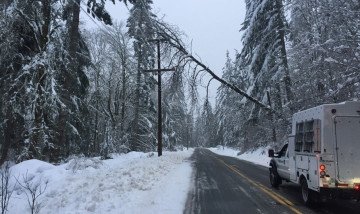
Power outages can happen for a variety of reasons, such as bad weather, motor vehicle accidents and even animals interfering with our equipment. Depending on the cause, some can be restored very quickly, while others can last a few hours, or even a few days in the event of a major storm or emergency.
If you find yourself without power, get the latest updates from our crews by checking our outages list or following us on Twitter @BCHydro.
Staying safe during an outage
Follow the below tips to keep you and your family safe during an outage, especially if it's a major storm and an extended power outage.
Standby and backup generators
- Only operate a portable generator outdoors and in a location where the exhaust can't enter your home.
- Don’t plug a portable generator into a standard household electrical outlet.
Food storage and cooking
- Keep your freezer and fridge doors closed:
- A full fridge can keep food cold for about four hours.
- A full freezer can keep food frozen for up to 48 hours; a half-full freezer will keep food frozen for about 24 hours.
- Never use a barbeque or camping stove indoors or in an enclosed space.
- Check the Canadian Food Inspection Agency for information on handling refrigerated and frozen food during an outage.
Staying warm and connected
- Check in on family, friends and neighbours, especially those that are elderly.
- Check for updates from your local municipality about warming centres or other local information during an extended or overnight outage.
- If temperatures are low, keep the heat in by avoiding opening doors and windows.
- Use LED candles to reduce the risk of fire. If you use real candles, ensure they’re in proper candle holders, keep them out of reach of kids and pets, and never leave them unattended.
- Help your device battery last as long as possible by following these tips:
- Don’t turn it off – your tablet or phone actually uses more battery being turned off and on so using sleep mode is best.
- Switch on Airplane mode or manually disable Wi-Fi, Bluetooth, GPS features and push notifications.
- Turn the brightness of the display down as low as possible.
- Close apps or other functions.
For more information on storms, safety and power outages, check out BC Hydro's Emergency preparation.
Water heating
Heating water can use a lot of energy but there are some simple, inexpensive ways to reduce hot water heating bills and conserve energy. Here are a few tips:
- Take shorter showers, ideally 5 minutes or less. A regular showerhead can use about 10 litres of water per minute so even a 5-minute shower can use about 50 litres of water. All of that water needs to be heated!
- Switch your showerhead to a low flow showerhead. These can reduce the water flow to 6 litres per minute but it still feels like a great shower!
- Install aerators on your faucets. They are easy to install and similar to low flow showerheads they can reduce the water flow to 6 litres per minute.
- Repair leaky faucets. A leaky drip can waste many litres of water per day.
- Wash your laundry in cold water; this saves energy and your clothes last longer.
Space heating
Space heating can account for 50% or more of your energy bills but there are some simple ways to save energy on your heating while still keeping warm. Here are some tips:
- Regularly clean your heating system. Dusty air ducts, baseboard heaters or filters lead to inefficient systems that use more energy.
- Make sure there is nothing blocking the heat being distributed to the room. Furniture, carpets, and curtains are common culprits.
- Get a ceiling fan; they are great since hot air rises and they the fans send the hot air back down to keep us warm in winter.
- Get a programmable thermostat and set it to 21°C during the day if you are home, and 16°C at night or during the day if you are out.
Animals staying warm
Animals, including humans, have a variety of ways to keep warm in winter. Some of these include:
- Fur, fat or some form of insulation. Humans use clothing as insulation, but also design our buildings with insulation.
- Heat. We use heat to keep warm in our homes. In B.C. this could be from a variety of different sources like hydro electricity, natural gas, or wood. Whatever the source, like food and water, we do not want to waste heat. Ways to winterize your homes, save energy and reduce cost include: weather-stripping, adding extra insulation into the attic, shrink wrapping your windows, turning down the heat at night or when you are out, only heating the rooms you need, adding a programmable thermostat, keeping your heat source clear of furniture (so you are not blocking the heat), vacuuming your baseboards and closing doors and windows. Closing doors when students come in from the cold is a great way get them to start thinking about conserving heat. For more information, visit tips on how to reduce drafts.
- Hibernating or migrating. Due to the shorter daylight hours humans would naturally sleep longer in the winter months lowering their metabolism and keeping warm in bed
