
Pollinator projects
Explore a variety of hands-on projects you can do to support pollinators.

Overview
On this page we index a list of project ideas to support pollinators and resources to help you undertake each one. Each of these projects can be adapted many ways. You can choose one to undertake as a class, let students join groups based on the project they want to do, or students can choose a project to work on at home.
| We're sharing class sets of seed paper bees! When you plant these little bee shapes into soil and water them, the seeds will become Black-eyed Susans. To request one for your class, contact us with your name and address, as well as the school and grade you're teaching. This giveaway is for K-12 teachers in B.C., while supplies last. |
Instructions
Explore a list of fulfilling project ideas below:
- Start a pollinator garden
- Install a pollinator shelter
- Plant seed paper
- Make seed paper
- Pollinator zines
- Show-and-tell
Whichever project you do, make sure to assess any safety and ecological considerations ahead of time. For example, supervise the use of tools or let students watch while an adult uses the tools for them, and make sure any materials you put in the ground are safe for the local ecosystem.
This activity is part of the Empower pollinators unit. We recommend completing the other activities before your pollinator project:
- Field journaling guides the class through going outside, observing their surroundings, and creatively taking notes with words and drawings.
- Pollinator poster provides a printable poster and lots of background information to learn more about pollinators.
These activities will prime students to think about their local ecosystem and observe it in action. Now it’s time to work on a project to support pollinators.
Start a pollinator garden
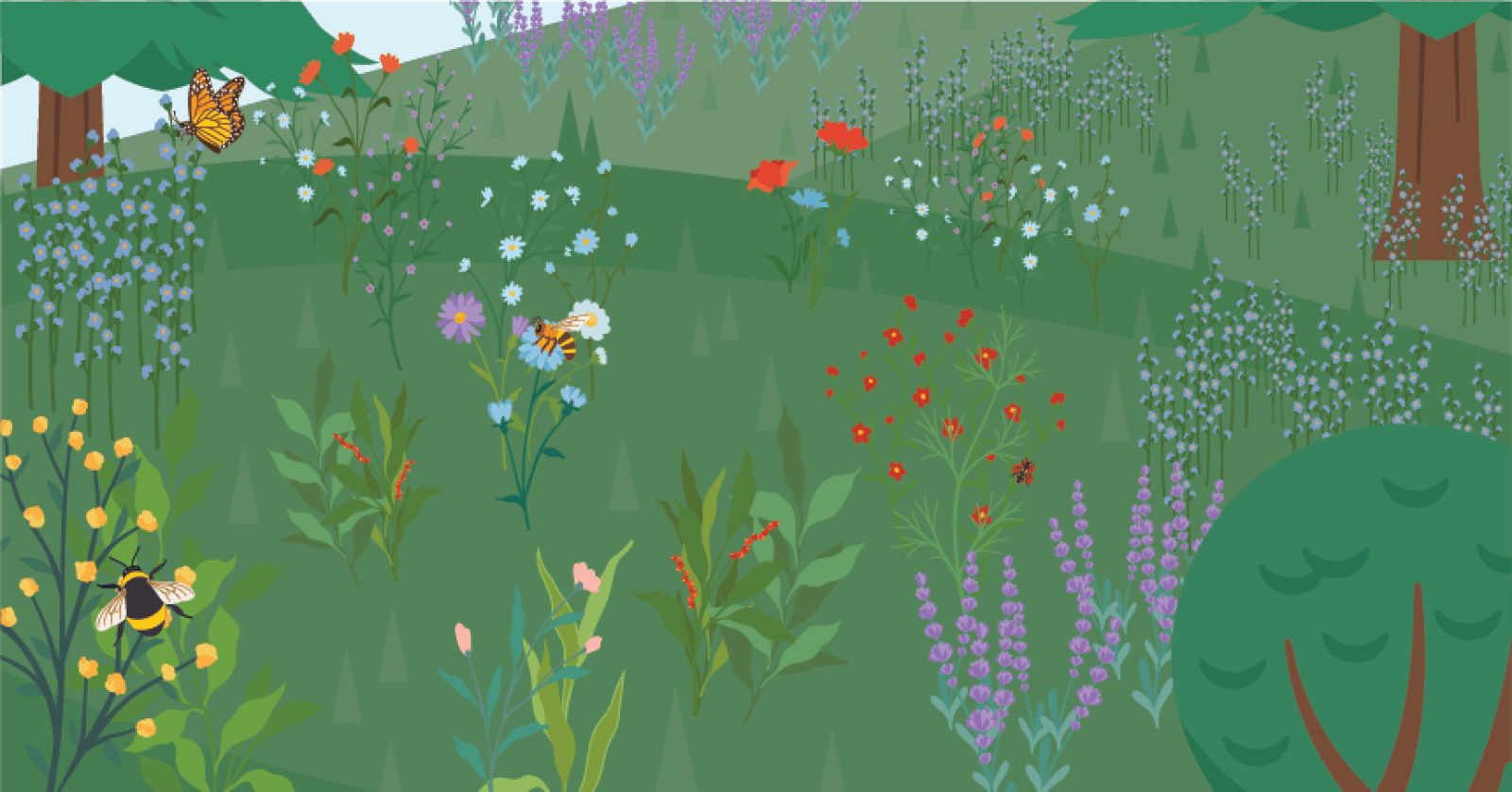
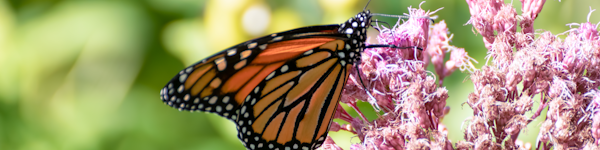
Planting a garden of native plant species is the best thing you can do to support pollinators. Having a layered variety of plants gives a place for them to feed, rest, nest, and hydrate. Not to mention it contributes to a beautiful neighborhood for us to enjoy.
Here are the important features to consider when creating a pollinator garden:
- Plant a variety of shorter and taller flowering plants to support different pollinator species and create shelter from the elements.
- Include a variety of plants that bloom across spring, summer, and fall.
- Include natural features like bare ground, natural debris, stems, shallow water, and dead wood.
- Create clusters of the same flowering plant to draw the attention of pollinators.
Students can learn a lot about their local ecosystem by being included on planning a garden, gathering the tools, preparing the soil, planting the plants, and then taking care of the garden over time. Having a garden on the schoolground allows them to continue learning and taking ownership across the school year or even over multiple years.
These are useful resources to help you plan a pollinator garden:
- How to grow a pollinator garden and bee part of the solution (World Wildlife Fund)
This article features helpful information to understand why the plants you choose and the way you maintain a pollinator garden matter. - Ecoregional Planting Guides (Pollinator Partnership)
Pollinator Partnership provides dozens of planting guides for regions across North America. These guides introduce the characteristics of each region and include a list of local flowering plants to include in your garden. They host 14 guides for B.C. regions alone:
- Find Your Roots tool (Pollinator Partnership)
In addition to the comprehensive guides listed above, Pollinator Partnership offers an interactive tool to explore the appropriate plants for your garden. First you’ll enter your postal code, then you can choose to enter the desired plant type, flower colour, and blooming season, along with the characteristics of your garden including soil moisture, sun exposure, and height clearance. You’ll quickly receive a list of plants that match your specifications. - Beginner pollinator garden: the 3 x 3 x 3 system (Wild Pollinator Partners)
This blog post is written from the Ontario perspective, but it features great information about planning your garden. It recommends choosing plant types for spring, summer and fall, and planting three of each, as a foundation for a basic pollinator garden. They also show a very fun way to plan your garden on paper using shapes to represent each plant type.
Making sure it’s safe to dig
Any project that involves digging, planting, or installing in the ground can risk inadvertently coming into contact with utilities, which can be very dangerous. BC 1 Call is a free service that allows you to share the location of your planned work, and they will check if there are any hazards before you begin. Visit their website to let them know when you’re planning a project like a pollinator garden or a new fence.
Install a pollinator shelter
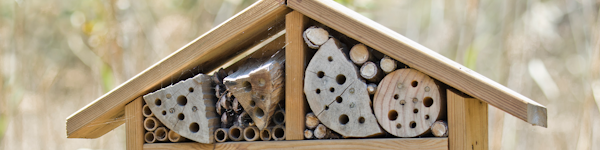
The most exciting way to support pollinators is to build a pollinator home or hotel. These are built environments where certain pollinators, especially bees and bats, can take shelter for short or long stays. The best ones will require wood and tools to create, although small habitats can also be made using household materials. The principal of these homes is to build safe confined spaces where birds, bats, or bees can shelter from the elements and predators.
Keep in mind that these homes are not a replacement for natural features that support pollinators, such as a variety of flowers, bare ground, wet and dark spaces, trees and stems, and everything else you’d find in a natural setting. But they can offer resting and nesting spaces in areas without lots of natural spaces, and importantly the ability to house and observe pollinators is an invaluable learning experience.
Here are a few guides to host pollinator homes:
- Opening your own Bee & Bee (West Coast Gardens)
This article explains the benefits of opening a ‘hotel’ for mason bees and the elements that make an attractive home for them. - How to Build a Bee Condo on YouTube (Chicago Botanic Garden)
This video is a helpful visual guide to creating a bee apartment building using wood, and best practices to make sure it’s safe and accommodating for bees. - Buzzworthy Mason Bee Condos (National Wildlife Foundation)
This guide shows how to make a fun and easy little mason bee habitat using leftover canisters and paper rolls. This is a project safe for all ages and which each student can make their own, and the ‘condos’ can be kept in almost any outdoor space or taken home. - Building Homes for Bats (BC Bats)
This comprehensive guide explains the features of an ideal bat home. These bat homes are a very effective roost for bats to safely inhabit populated areas where natural roosting may be difficult. Planting them alongside a garden is an excellent way to incorporate natural pest control and maintain a balanced ecosystem. - Pre-built pollinator homes
If building your own home from scratch is not feasible, there are many places you can buy prebuilt mason bee homes, bird boxes, and bat roosts. Major retailers like Canadian Tire often have these products, however might be able to better ensure that the home is properly made by local builders. We do not endorse any retailers, but here are some examples of local sources for pollinator homes:- Backyard Bird Centre (Port Moody)
- BC Bee Supply (Burnaby)
- Canadian Bat Houses (Thunder Bay)
Pitfalls of a built pollinator home can be housing unintended guests (such as wasps instead of bees), creating touchpoints of disease, and trapping debris and moisture. This article helps explain potential issues to consider with insect hotels. Ideal pollinator homes should be cleaned yearly and monitored regularly. Some of them may be best used for one year as a learning opportunity and then replaced.
Plant seed paper
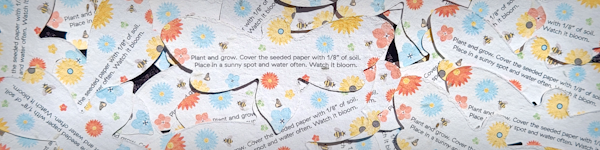
Seed paper has wildflower, vegetable, or herb seeds inside, and it can be placed into the ground to plant all the seeds. Students often find it exciting to receive paper shapes or messages and then to plant them in the ground.
Properly manufactured seed paper is made from recycled paper and is safely biodegradable when placed in soil. It’s a great reminder to students about the importance of using recycled materials and the process of returning organic material into the ground.
There are several companies which make seed paper, including Botanical Paperworks which is based in Winnipeg and creates a wide variety of products, including custom printing, using 100% recycled material. If you have seed paper, you can follow their Seed Paper Planting Instructions to make sure you’re planting and caring for them correctly.
Because seed paper is so versatile, there are many ways to adapt it into fun learning experiences:
- Get seed paper cards or notebooks, and ask students to write messages about the importance of supporting natural environments before planting the paper
- Pack chests of seed paper for each season and open them when it’s time to plant each set
- Plan a garden layout using seed paper pieces on a chart, then plant the seed paper accordingly to bring the garden to life
- Create an art installation using seed paper. Show it off to other classes, talk about the importance of supporting local pollinators, and let them know that the exhibit will be planted into the ground to start a garden.
A similar product your class might enjoy is Sprout Pencils. These pencils contain herb seeds on their ends, so when your pencil is almost fully used you can submerge the back end into the ground to plant the seeds.

Make seed paper
Seed paper is fun to plant, but you can take it a step further and make your own seed paper. The process involves blending paper scraps into a pulp, mixing in flower or herb seeds, shaping it into a frame, and drying it quickly.
For full instructions, see Make your own wildflower seed paper from Kew Royal Botanical Gardens.
There are lots of fun ways to adapt this activity to your class:
- Consider collecting paper scraps over time to eventually use for seed paper making.
- Once the paper sheets are dried, students can cut them into shapes and even write messages on them according to your activity.
- You could also design a seed paper display based on seasonal planting, and then plant each section during its appropriate season.
The possibilities are endless, so consider incorporating seed paper into your lesson planning.
Pollinator zines
Zines are self-made booklets which feature a collage of words and images about a topic. They are like a mini magazine, which features a mix of writing and images around a topic, except that when you make a zine you are free to include anything you want with any medium you want. The purpose is to freely express and share ideas without worrying so much about the exact format or style used.
- Prepare your zine format. The easiest way to create a blank zine is to fold multiple letter-sized papers in half and staple the fold line to create a booklet, or use a folding technique to create a smaller booklet. You can follow the Tate Kids how to make a zine guide or the Brightly kid-friendly DIY guide. Alternatively, you could prepare your zine pages in Word or another design software and then print and assemble them.
- Plan your zine content. The goal should be to help someone learn about, celebrate, and protect pollinators. So you might include descriptions of pollinators, facts and observations, photos and drawings, information about threats, and a call to action to help pollinators.
- Create your zine! While incorporating purposeful information and thoughts, making a zine should also be a fun and creative process. You can use a mix of writing instruments, collages, stamps, crayons and markers, or anything that helps express what you want to share. You could put it together in one sitting or do a page a day. This could also be incorporated with the Field journaling activity.
Zines are meant to be shared. Everyone who made a zine should take time to swap, read, and discuss each other's zines. Add the zines to your school or class library after.

Show-and-tell
All of these pollinator projects are lots of work and worth sharing. Make sure students have an opportunity to share their work, express how it inspired them, and inspire others to work on something similar.
- If students worked individually, give the students class time to prepare a short presentation to share their work. Aside from showing their project visually to the class, they should let the class know:
- What they worked on
- Why the project matters
- How they researched, planned, and prepared
- Who helped them, if anyone
- If students worked in groups, each group can take a turn sharing their work with the class. In addition to sharing what they worked on, why, how, and who helped them, each group member should have a moment to share what excited them about their project.
- If the class all worked together, arrange time to show off your project to other classes. If students created proposals or zines, presenting them in front of other classes may inspire other students to get creative and work on their own projects. If your class worked on a pollinator garden or a habitat on school grounds, it’s very important to introduce the project to fellow classes. This is an opportunity to explain what you built, why it’s important, and how to play carefully around it to protect pollinators and plants from damage.
Curriculum Fit
Science 4-6
Big Ideas
- All living things sense and respond to their environment (Gr. 4)
Content
- Sensing and responding: animals, plants (Gr. 4)
- The nature of sustainable practices around B.C.'s resources (Gr. 5)
Competencies
Planning and conducting
- Make observations about living and non-living things in the local environment (Gr. 4)
- Observe objects and events in familiar contexts
Processing and analyzing
- Experience and interpret the local environment
Evaluating
- Identify environmental implications of their and others’ actions
Applying and Innovating
- Contribute to care for self, others, and community through personal or collaborative approaches
- Co-operatively design projects
ADST 6
Competencies
- Identify the personal, social, and environmental impacts, including unintended negative consequences, of the choices they make about technology use
- Ideating:
- Screen ideas against criteria and constraints
- Evaluate personal, social, and environmental impacts and ethical considerations
- Choose an idea to pursue
Teaching Notes
Pollen is a powder which contains the male gametes (sperm cells) of flowering plants which fertilize that plant or other plants once they reach the stigma (female organ). Some plants can self-pollinate when the pollen falls into the stigma, while others require fertilization from a different plant of the same type to reproduce. This pollination is assisted by wind, water, and pollinators.
Pollinators are animals (including insects) which carry pollen from one plant to another. The majority of flowering plants need pollinators, like bees, to reproduce. That means the plants in our neighborhood and the crops we eat rely on them.
In B.C., these are our most important pollinators:
- Bees, including honeybees, mason bees, and bumblebees
- Wasps including paper wasps, yellowjackets, and hornets
- Butterflies
- Moths
- Beetles
- Birds, especially hummingbirds
- Bats
- Flies, including some species which have special relationships with certain plants
Kids often get to know honeybees the best, but it’s important to learn that there are lots of different species involved in pollination. Plus, not all bees live in hives. Mason bees are solitary and live in narrow cavities they can find, while bumblebees create small colonies in various places including on or in the ground.
Threats to pollinators
Pollinators are vital to our livelihoods, yet they are heavily impacted by human activity. Pollinator populations are impacted by:
- Agriculture and pesticides
- Unnatural spaces like buildings and concrete
- Expansive lawns and use of non-native plants
- Temperature shifts and extreme weather
- Parasites and pathogens
- Drought
Read more about these threats on Pollinator.org. Learning about how human activity is impacting pollinators can inform your initiatives to support pollinators.