

Empower pollinators
A unit of three activities to engage with pollinators and the local environment.
- Grades 4-6
- 3 activities
- 3.5 hours
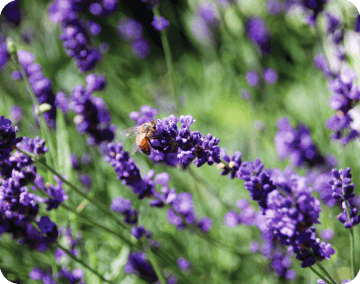
Big idea
Learn to observe your surroundings, identify the role of pollinators, and contribute to a healthier ecosystem in your neighborhood.
Learning objectives
- Learn what pollen is and what it means to be a pollinator
- Learn about the major pollinators in B.C., including bees, butterflies, birds and bats
- Make observations and interpret what you see in your local natural environment
- Observe the role of pollinators where you live
- Discover how we can contribute to protecting and empowering local ecosystems
- Participate hands-on in one or more projects that directly support pollinators
Activities
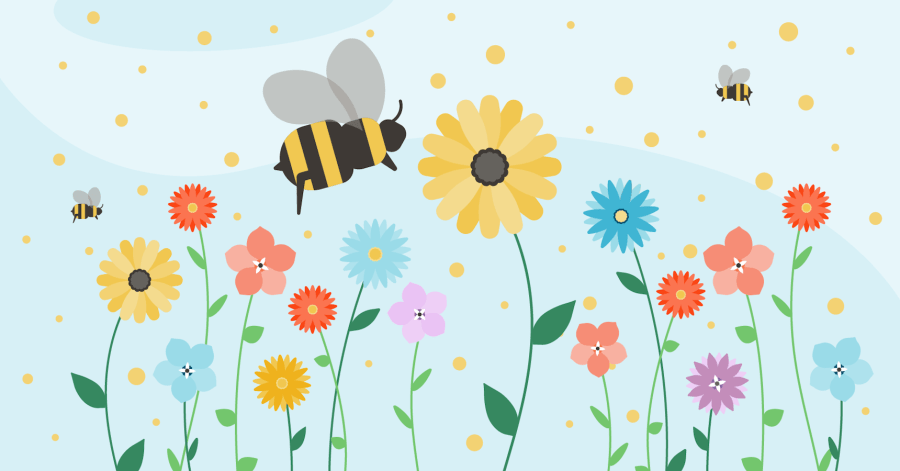
Pollinator poster
Print a poster of B.C. pollinators to post in the classroom. Challenge your students to spot them outside and pledge to...
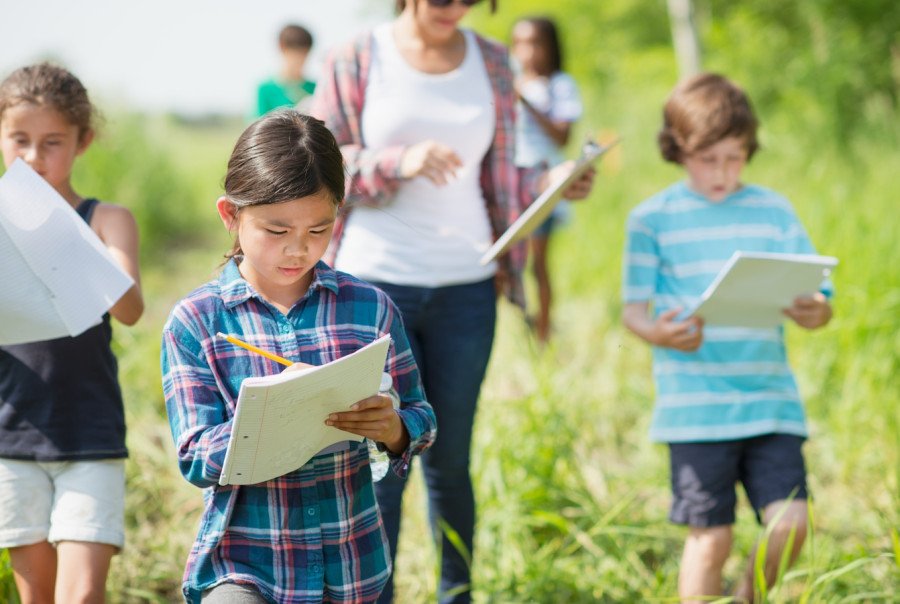
Field journaling
Practice writing down and drawing observations in a playful way to make science and note-taking easy.
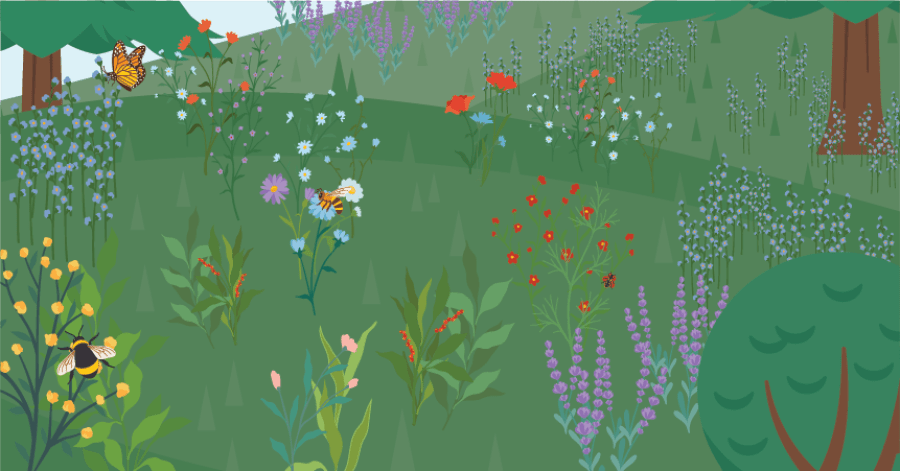
Pollinator projects
Explore a variety of hands-on projects you can do to support pollinators.
BC curriculum fit
Science 4-6
Big Ideas
- All living things sense and respond to their environment (Gr. 4)
Content
- Sensing and responding: animals, plants (Gr. 4)
- The nature of sustainable practices around B.C.'s resources (Gr. 5)
Competencies
Planning and conducting:
- Make observations about living and non-living things in the local environment (Gr. 4)
- Observe objects and events in familiar contexts
- With support, plan appropriate investigations to answer their questions or solve problems they have identified (Gr. 5-6)
- Choose appropriate data to collect to answer their questions (Gr. 5-6)
Processing and analyzing:
- Experience and interpret the local environment
Evaluating:
- Identify environmental implications of their and others’ actions
Applying and Innovating:
- Contribute to care for self, others, and community through personal or collaborative approaches
- Co-operatively design projects
Questioning and predicting:
- Demonstrate a curiosity and sense of wonder about the world (Gr. 4)
- Observe objects and events in familiar contexts (Gr. 4)
Communicating:
- Represent and communicate ideas and findings in a variety of ways (Gr. 4)
- Express and reflect on personal or shared experiences of place (Gr. 4-6)
- Communicate ideas, explanations, and processes in a variety of ways (Gr. 5-6)
ADST 6
Competencies
- Identify the personal, social, and environmental impacts, including unintended negative consequences, of the choices they make about technology use
- Ideating:
- Screen ideas against criteria and constraints
- Evaluate personal, social, and environmental impacts and ethical considerations
- Choose an idea to pursue
Assessments
As you progress through the three activities, observe whether students are showing engagement in these areas:
- Familiar with local pollinators and able to identify them when spotted outdoors.
- Understands that different plants have different relationships with different pollinators.
- Engages in observing and recording what they see in natural environments, and reflecting on the implications.
- Demonstrates eagerness to help pollinators by creating safe spaces for them.
- Contemplates the need for healthy ecosystems beyond their immediate surroundings.
Background info
Pollinator poster
The Pollinator Poster can be used as a standalone resource, but pollinators are a very important topic worthy of its own lesson or even a whole day of learning, especially during pollinator week. We encourage you to use it as a starting point for a larger conversation.
Pollinators are animals (including insects) which carry pollen from one plant to another. The majority of flowering plants need pollinators, like bees, to reproduce. That means the plants in our neighborhood and the crops we eat rely on them.
In B.C., these are our most important pollinators: Bees, wasps, butterflies, moths, beetles, hummingbirds, bats and flies.
Field journaling
Compared to other activities, the challenge with field journaling is not just guiding students to accomplish it correctly but to spark their imagination and give them the confidence to journal their own way. A key point to share with students is that writing and science are a process, and that it starts with simple things like taking notes and drawing things you see. They should feel empowered to journal instead of striving for perfection.
It can help to break the activity down into prompts and examples to get students started. Field journaling involves three key elements:
- Drawing: This helps you to record visual observations and think about what you see.
- Writing: A field journal should use writing to help remember what your thoughts were when filling it out.
- Thinking: Your field journal is all about using mediums and methods of your choice to think and engage with what you see.
Pollinator projects
There are many many hands on projects you can do to contribute to the wellbeing of pollinators in your local ecosystem.
- Start a pollinator garden where pollinators can feed, rest, nest, and hydrate. A good garden will have a variety of native plant species which bloom at different times of the year.
- Install a pollinator shelter where pollinators, especially mason bees or bats, can shelter and raise their young. These aren't a replacement for natural habitats but can help make safe space for pollinators in urban environments.
- Plant seed paper to turn recycled materials into an exciting growing project. Use seed paper to plan flower or herb gardens.
- Make seed paper to get hands-on with the upcycling process and to see your project from choosing seeds all the way to growing plants.
- Pollinator zines to record, reflect on, and share information about what pollinators mean to our local ecosystems.
