
Gratitude Bundle
Connecting with nature to honor what grounds, nourishes, and grows us.



Overview
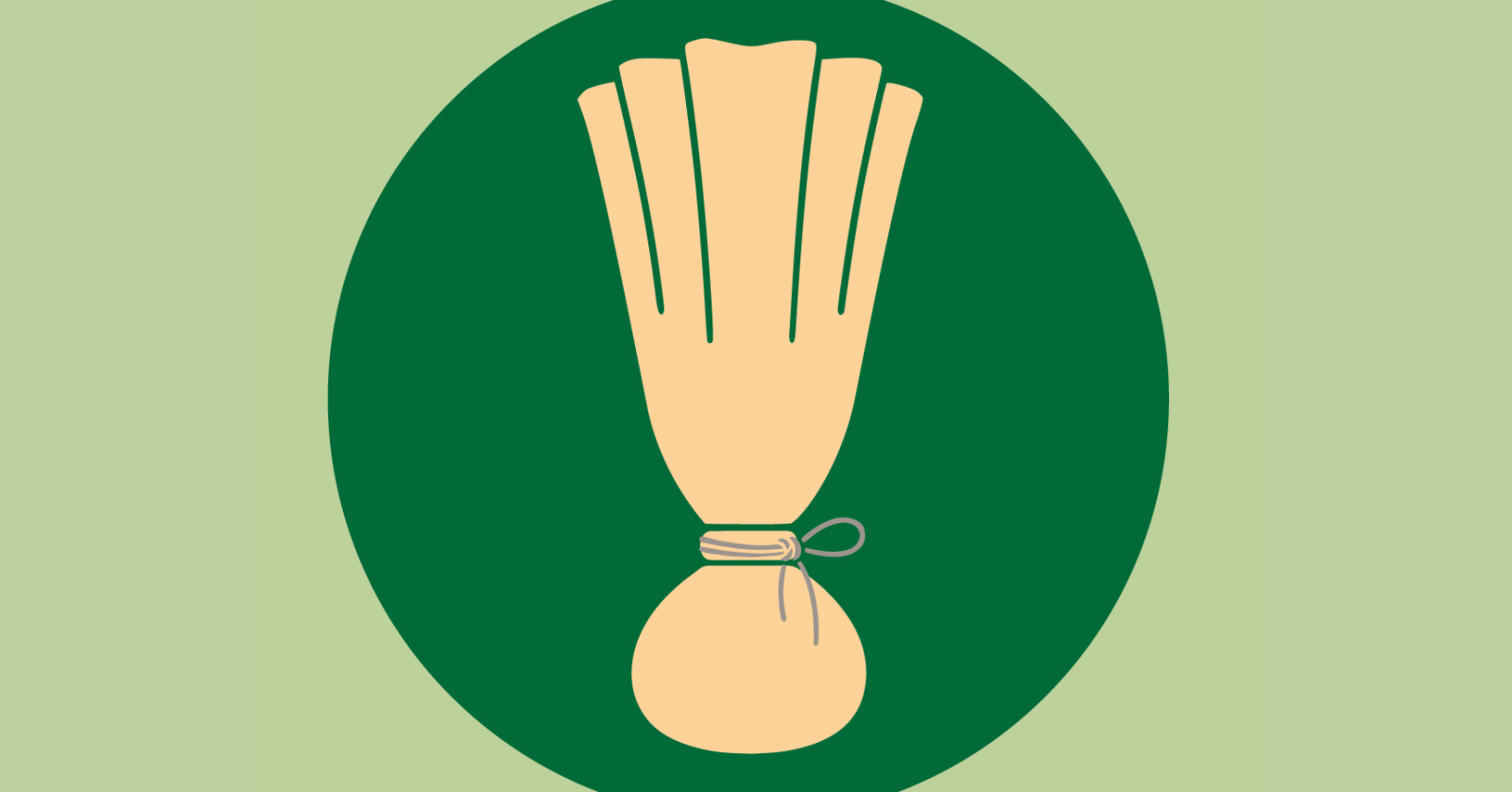
In this reflective, hands-on activity, learners gather meaningful items from nature to create a personal Gratitude Bundle. Each chosen object represents something that grounds, nurtures, or inspires growth, encouraging students to pause and express appreciation. The finished bundle becomes a tangible reminder of the supports and strengths that uplift them in everyday life.
Instructions
What you'll need
- Abilitiy to go outside to collect items
- OR enough of each item type of each student (3 item types)
- Rocks (for Grounding item)
- Dried Berries or Seeds (for Nourishing item)
- Dried sage, tobacco or fallen leaves (for Growing item)
- Cloth
- 20-30 squares that are about 20cm by 20cm
- colours are optional but consider red, yellow, black, and white which are the colours of the medicine wheel.
- Twine or string cut into short strips for each student
Before You Begin
- Gather cloth and twine. Cut the cloth into small squares (one per student).
- Cut the twine into shorter lengths, enough for each student to tie a bundle.
- If going outside is not possible, prepare a selection of natural materials (rocks, dried leaves, seeds, etc.) for students to use indoors.
During the Activity
- Introduce the Activity
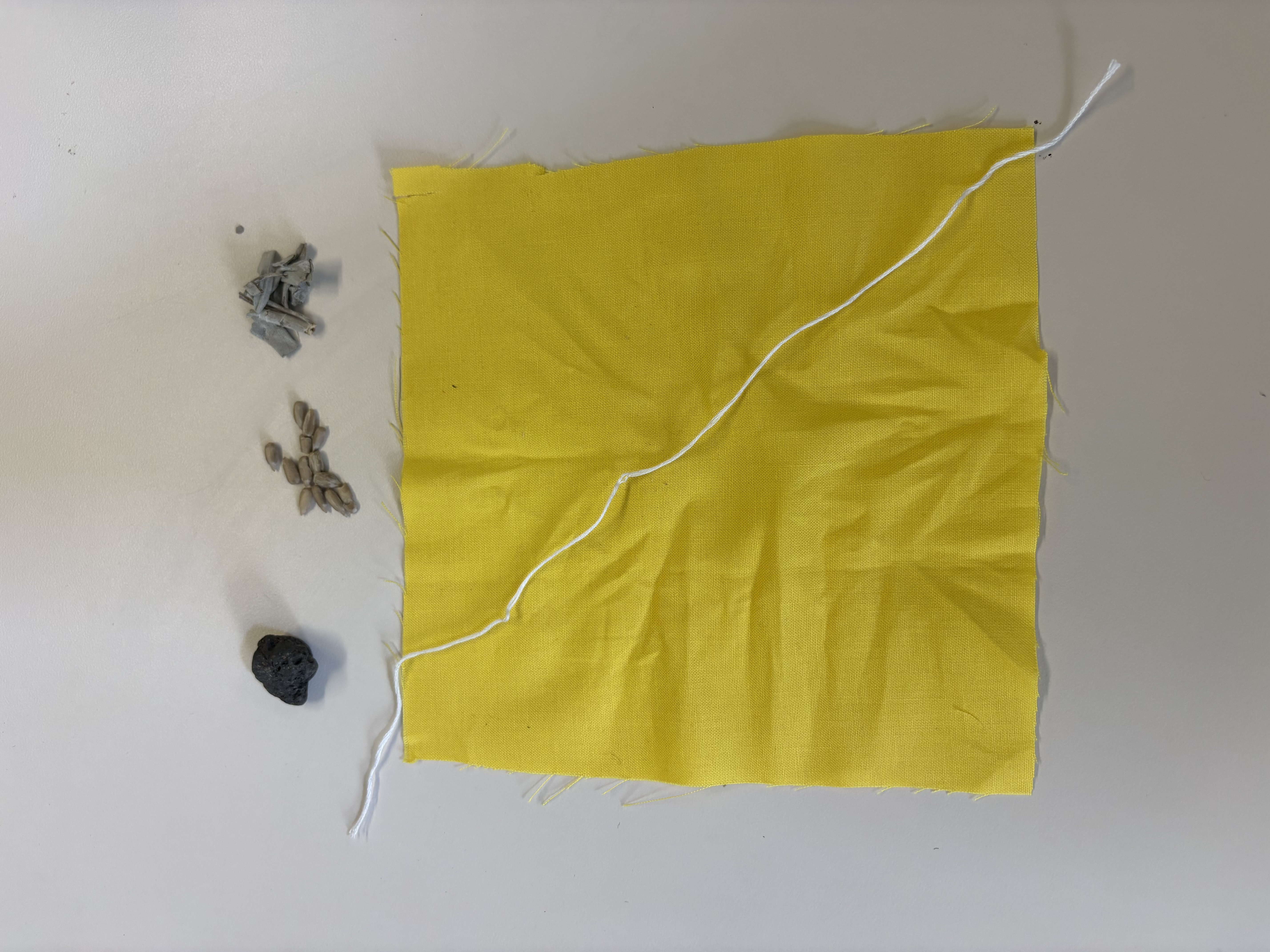
- Explain that students will create a Gratitude Bundle using three items from nature:
- One rock
- One food-related item (e.g., berries, nuts, seeds, acorns, or herbs)
- One item that has fallen from a tree, bush, or plant
- Collect Materials
- Take students outside to gather their items, or provide pre-collected materials indoors.
- Once collected, gather students together in a circle or workspace.
- Prepare the Bundles
- Give each student one cloth square and one piece of twine.
- Ask them to lay the cloth flat in front of them and place their three items on it.
- Reflect and Share Gratitude
- Guide students through each item:
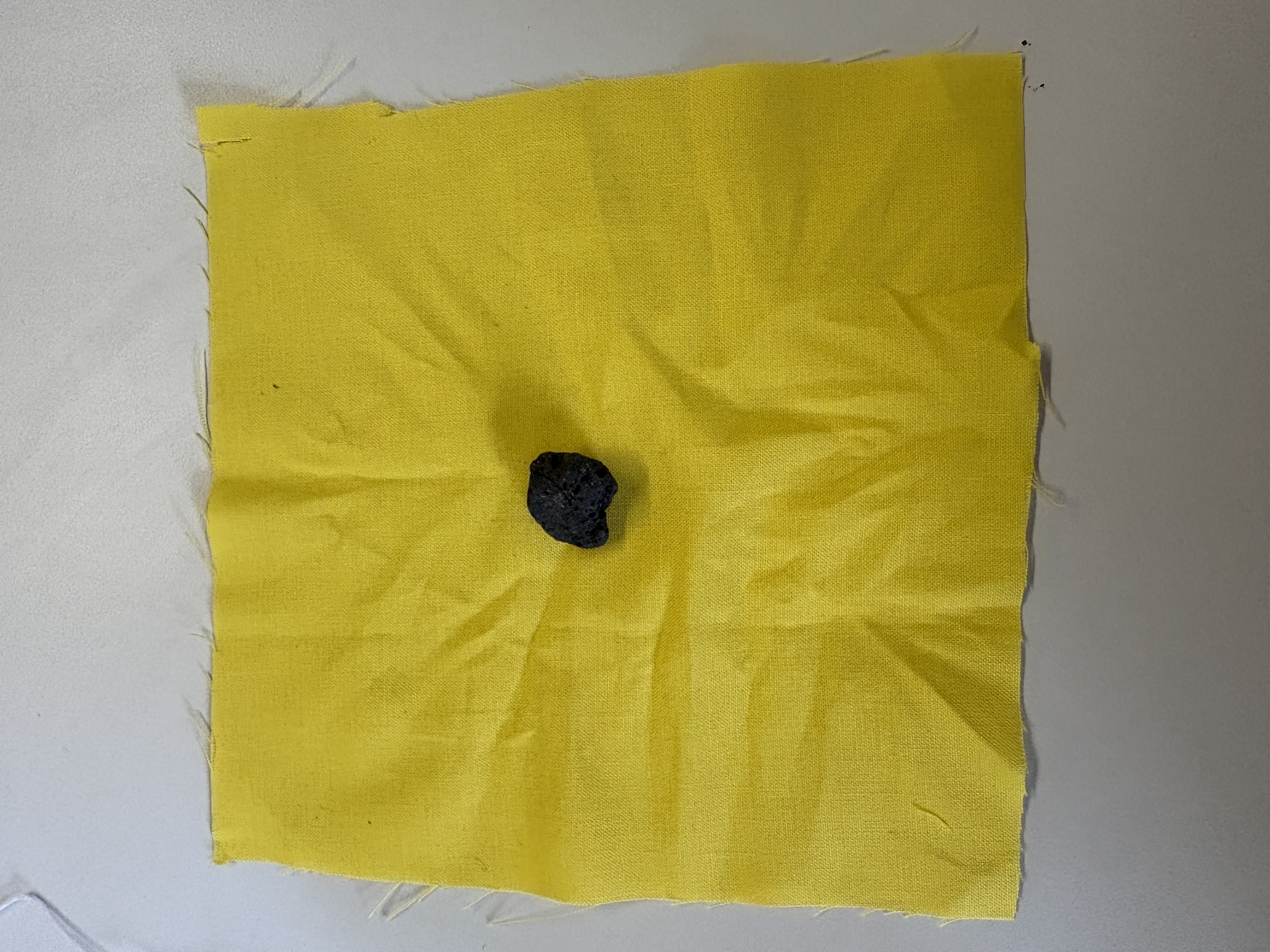
- Rock (Grounding):
- Ask students to hold their rock and think about something that grounds them—something that brings calm or makes them feel at home.
- Have everyone say their thought out loud together.
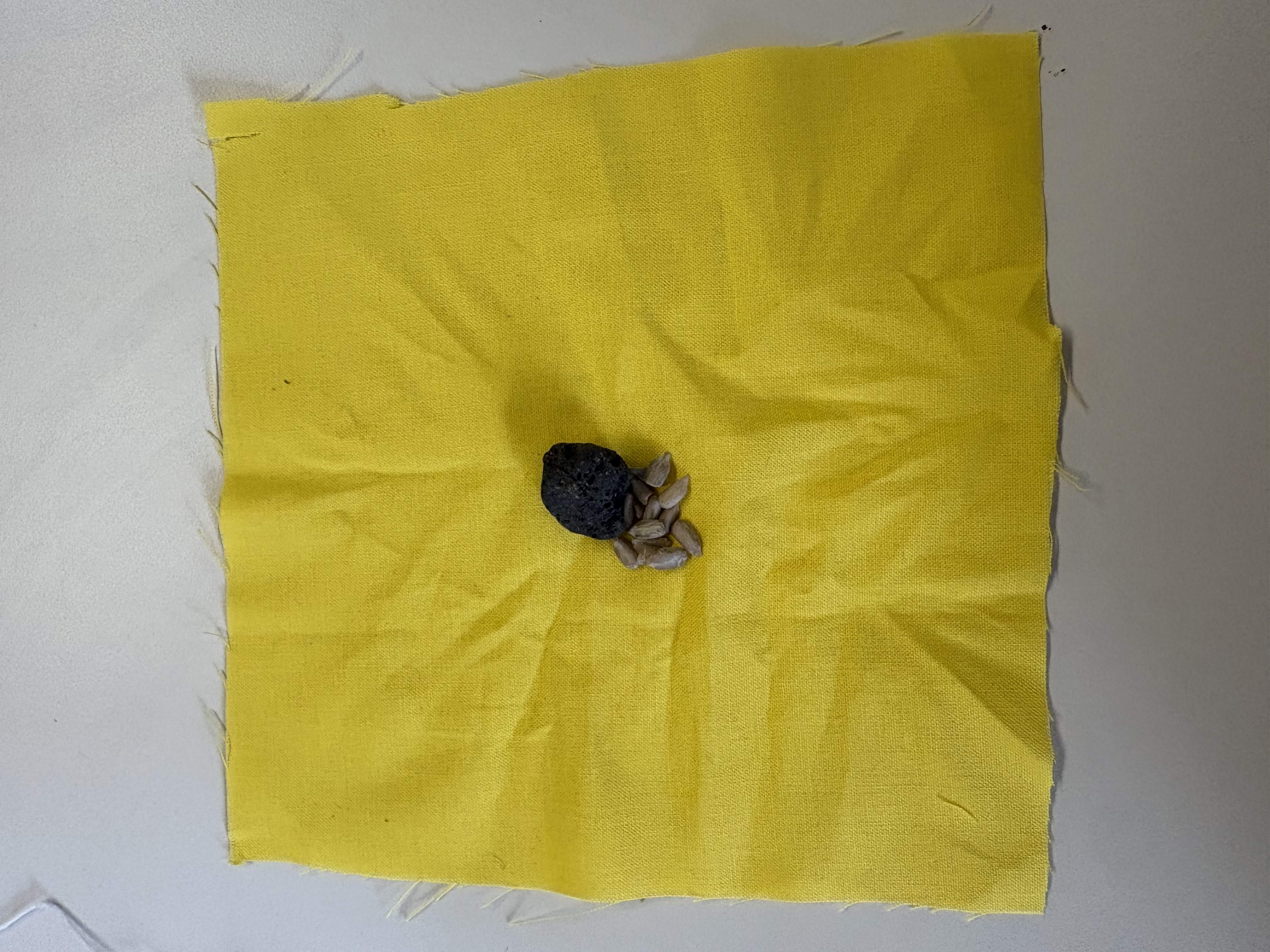
- Food Item (Nourishment):
- Ask students to place their food item on the cloth and reflect on something that nourishes them—what brings them joy, energy, or comfort.
- Invite them to say it out loud as a group.
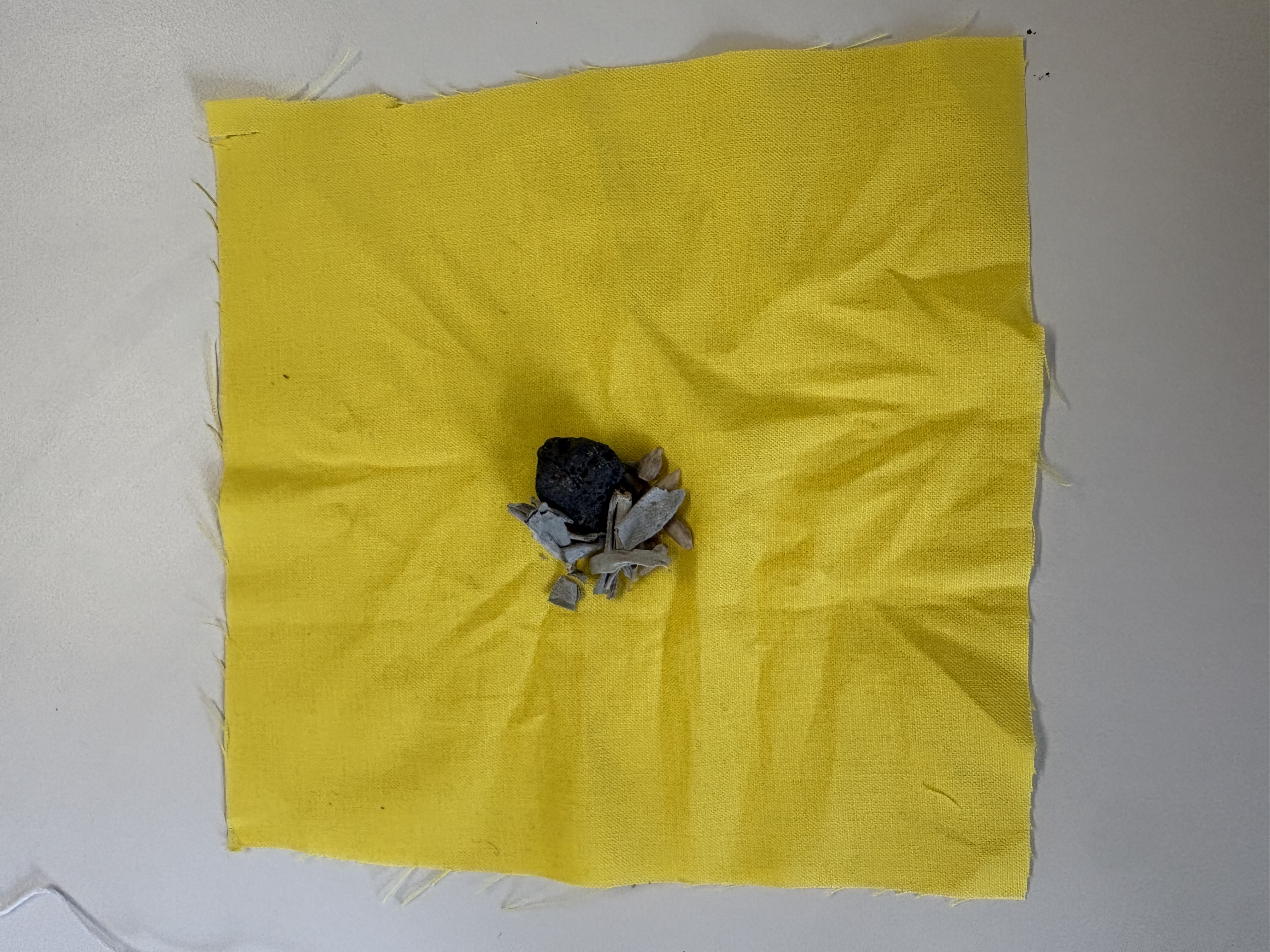
- Plant Item (Growth):
- Ask students to place their final item on the cloth and think about something that helps them grow—such as a person, experience, or challenge.
- Have them share this aloud together.
- Create the Bundle
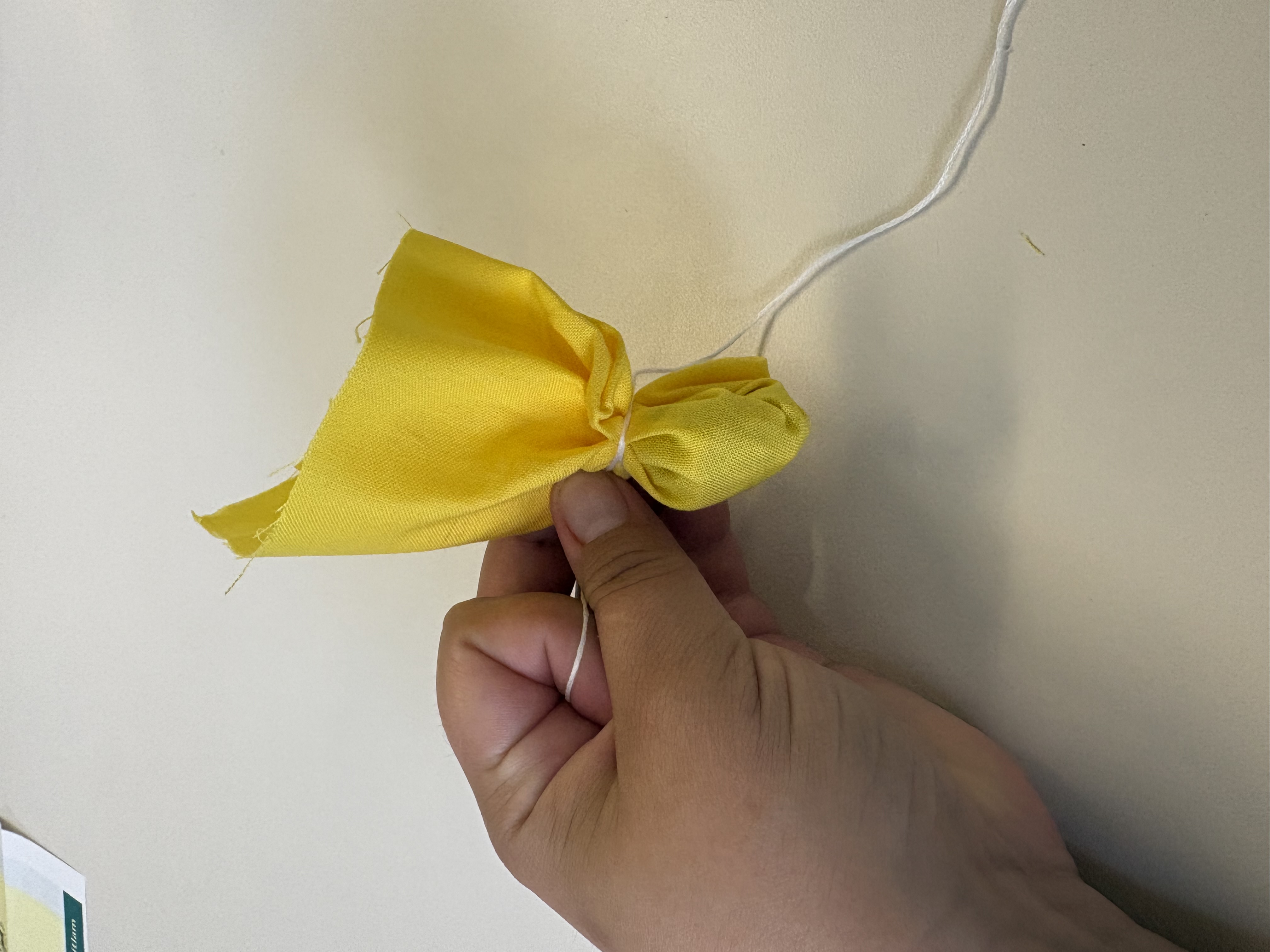
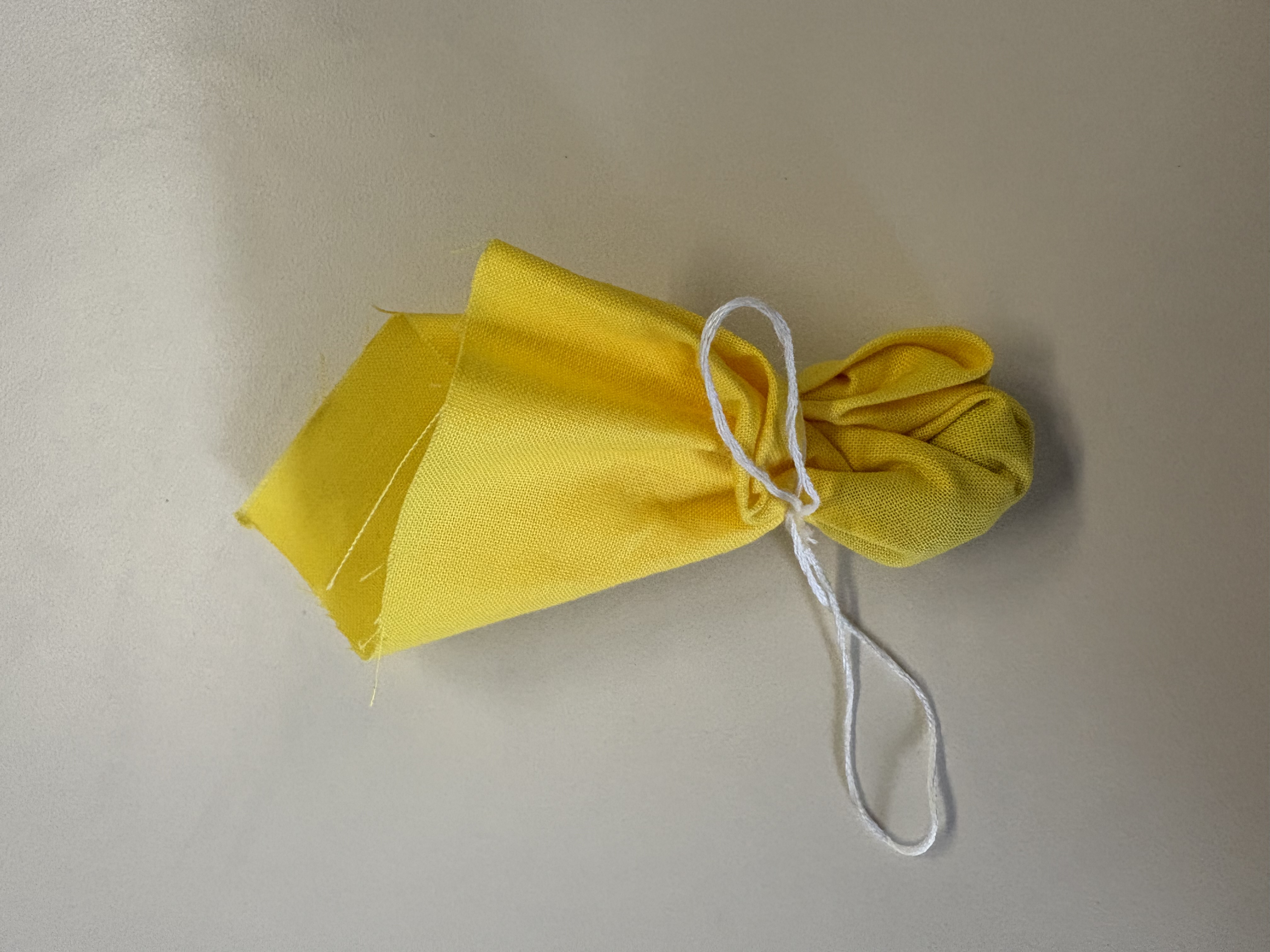
- Have students gather the corners of their cloth.
- Tie the cloth securely with the twine to create a small bundle.
- Closing Reminder
- Encourage students to keep their Gratitude Bundle in a place they see often, as a reminder of the things that ground, nourish, and help them grow.
Modify or extend this activity
Modifications
- Students can share their item or person silently
- Pre-bundle items together for each student and walk them through what each item represents
Extensions
- Have each student share what their item or person is for each item they picked in nature
- If possible do this activity at a secondary location away from school
Curriculum Fit
Core Competencies
Communication
- Focusing on intent and purpose
- Connecting and engaging with others
Thinking
- Reflecting and assessing
- Creating and innovating
- Generating and incubating
Personal and Social
- Well-being
- Understanding relationships and cultural contexts
- Recognizing personal values and choices
Health & Physical Education K-10
Big Idea
- Daily physical activity helps us develop movement skills and physical literacy, and is an important part of healthy living (K-Gr.1)
- Learning about ourselves and others help us develop a positive attitude and caring behaviours, which helps us build healthy relationships (K-Gr.1)
- Good health comprises physical, mental, and emotional well-being (Gr.1)
- Daily participation in physical activity at moderate to vigorous intensity levels benefits all aspects of our well-being (Gr.2-Gr.5)
- Understanding ourselves and the various aspects of health helps us develop a balanced lifestyle (Gr.3-Gr.5)
- Personal choices and social and environmental factors influence our health and well-being (Gr.4)
- Healthy choices influence our physical, emotional, and mental well-being (Gr.6-Gr.9)
- Learning about similarities and differences in individuals and groups influences community health (Gr.6-Gr.7)
- Healthy choices influence, and are influenced by, our physical, emotional, and mental well-being (Gr.10)
Content
- Practices that promote health and well-being (K-Gr.1)
- Caring behaviours in groups and families (K-Gr.1)
- Managing and expressing emotions (Gr.2)
- Factors that influence self-identity (Gr.2-Gr.3)
- Factors that influence self-identity, including body image, and social media (Gr.4-Gr.10)
- Influences of physical, emotional, and social changes on identities and relationships (Gr.7-Gr.10)
Curriculum Competencies
Physical literacy
- Develop and demonstrate safety, fair play, and leadership in physical activities (K-Gr.9)
- Demonstrate safety, fair play, and leadership in physical activities (Gr.10)
- Identify and participate in preferred types of physical activity (Gr.10)
Healthy and active living
- Participate daily in physical activity at moderate to vigorous intensity levels (K-Gr.4)
- Explore and describe components of healthy living (Gr.2-Gr.3)
- Identify and describe factors that influence healthy choices (Gr.4)
- Participate daily in physical activity designed to enhance and maintain health components of fitness (Gr.5-Gr.10)
- Identify, apply, and reflect on strategies used to pursue personal healthy-living goals (Gr.5-Gr.10)
Social and community health
- Develop and demonstrate respectful behaviours when participating in activities with others (K-Gr.2)
- Describe and apply strategies for developing and maintaining positive relationships (Gr.3-Gr.5)
- Explain how participation in outdoor activities supports connections with the community and environment (Gr.3)
- Describe and apply strategies that promote a safe and caring environment (Gr.4-Gr.5)
- Describe and apply strategies for developing and maintaining healthy relationships (Gr.6-Gr.7)
Mental well-being
- Identify and describe practices that promote mental well-being (K-Gr.1)
- Identify and describe feelings and worries (K-Gr.1)
- Identify and apply strategies that promote mental well-being (Gr.2-Gr.3)
- Identify and describe feelings and worries, and strategies for dealing with them (Gr.2)
- Describe factors that influence mental well-being and self-identity (Gr.3-Gr.4)
- Describe and assess strategies for promoting mental well-being, for self and others (Gr.5-Gr.8)
- Explore and describe factors that shape personal identities, including social and cultural factors (Gr.9-Gr.10)
- Describe the relationships between physical activities, mental well-being, and overall health (Gr.10)
Outdoor Education 11-12
Big Idea
- Spending time outdoors allows us to develop an understanding of the natural environment and ourselves (Gr.11)
- Spending time outdoors allows us to develop an understanding of the natural environment, ourselves, and others. (Gr.12)
Content
- Outdoor activity knowledge and skills (Gr.11-Gr.12)
- First Peoples traditional practices and ecological knowledge related to activities in the local environment (Gr.11-Gr.12)
- The role of environmental awareness and stewardship in outdoor recreation and conservation (Gr.11-Gr.12)
Curriculum Competencies
Outdoor activity skills and healthy living
- Develop and demonstrate a variety of skills for outdoor activity (Gr.11-Gr.12)
- Monitor environmental conditions during outdoor activities (Gr.11-Gr.12)
Social responsibility
- Plan and implement ways to reduce potential impacts of outdoor activities on the local environment Gr.11-Gr.12)
Collaboration, teamwork, and safety
- Collaborate with others in a variety of outdoor activities (Gr.11-Gr.12)
Social Studies K-10
Big Ideas
- Our communities are diverse and made of individuals who have a lot in common. (K)
- Healthy communities recognize and respect the diversity of individuals and care for the local environment. (Gr.1)
- Learning about Indigenous peoples nurtures multicultural awareness and respect for diversity (Gr.3)
- Indigenous societies throughout the world value the well-being of the self, the land, spirits, and ancestors (Gr.3)
- Interactions between First Peoples and Europeans led to conflict and co-operation, which continue to shape Canada's identity. (Gr.4)
- Canada's policies for and treatment of minority peoples have negative and positive legacies. (Gr.5)
- Religious and cultural practices that emerged during this period have endured and continue to influence people. (Gr.7)
- Worldviews lead to different perspectives and ideas about developments in Canadian society (Gr.10)
Content
- Rights, roles, and responsibilities of individuals and groups (K)
- People, places, and events in the local community, and in local First Peoples communities (K)
- Diverse cultures, backgrounds, and perspectives within the local and other communities (Gr.1)
- Relationships between a community and its environment (Gr.1)
- Relationships between people and the environment in different communities (Gr.2)
- Cultural characteristics and ways of life of local First Peoples and global Indigenous peoples (Gr.3)
- Oral history, traditional stories, and artifacts as evidence about past First Peoples culture (Gr.3)
- Relationship between humans and their environment (Gr.3)
- The history of local community and of local First Peoples communities (Gr.4)
- First Peoples land ownership and use (Gr.5)
- Origins, core beliefs, narratives, practices, and influences of religions, including at least one Indigenous to the Americas (Gr.7)
- Residential schools and other discriminatory policies and injustices against First Peoples in BC and Canada (Gr.10)
Curriculum Competency
- Explain the significance of personal or local events, objects, people, or places (significance) (K-Gr.1)
- Explain why people, events, or places are significant to various individuals and groups (Gr.2-Gr.3)
- Acknowledge different perspectives on people, places, issues, or events in their lives (perspective) (K-Gr.1)
- Explain why people's belief, values, worldviews, experiences, and roles give them different perspectives on people, places, issues, or events (perspective) (Gr.2-Gr.3)
- Take stakeholders' perspectives on issues, developments, or events by making inferences about their beliefs, values, and motivations (Gr.5-Gr.6)
- Explain different perspectives on past or present people, places, issues, or events, and compare values, worldviews, and beliefs of human cultures and societies in different times and places (Gr.7)
- Assess the significance of people, places, events, or developments at particular times and places (significance) (Gr.8-Gr.9)
- Assess the significance of people, places, events, or developments, and compare varying perspectives on their significance at particular times and places, and from group to group (significance) (Gr.10)
- Explain and infer different perspectives on past or present people, places, issues, or events, and compare the values, worldviews, and beliefs of human cultures and societies in different times and places (perspective) (Gr.8-Gr.10)
B.C. First Peoples 12
Big Idea
- The identities, worldviews and languages of B.C. First Peoples are renewed, sustained, and transformed through their connection to the land
- Through self-governance, leadership, and self-determination, B.C. First Peoples challenge and resist Canada's ongoing colonialism
Content
- Role of oral tradition for B.C. First Peoples
- Traditional territories of the B.C. First Nations and relationships with the land
Curriculum Competencies
- Assess the significance of people, events, places, issues, or developments in the past and present (significance)
- Assess the connectedness or the reciprocal relationship between people and place (cause and consequence)
- Explain different perspectives on past and present people, places, issues, or events, and distinguish between worldviews of today and the past (perspective)
- Explain and infer perspectives and sense of place, and compare varying perspectives on land and place (perspective)
Arts Education K-9
Big Ideas
- People create art to express who they are as individuals and community. (K-Gr.1)
- Engagement in the arts creates opportunities for inquiry through purposeful play. (K-Gr.1)
- People connect to other and share ideas through the arts (K
- Creative expression develops our unique identity and voice. (Gr.2)
- Creative experiences involve an interplay between exploration, inquiry, and purposeful choice. (Gr.3)
- Creative expression is a means to explore and share one's identity within a community (Gr.4)
- Engaging in creative expression and experiences expands peoples sense of identity and belonging (Gr.5)
- Engaging in creative expression and experiences expands peoples sense of identity and community (Gr.6)
- Through art making, one's sense of identity and community continually evolves (Gr.7)
- Engaging in the arts develops people's ability to understand and express complex ideas (Gr.7)
- Individual and collective expression can be achieved through the arts (Gr.8)
- Identity is explored, expressed, and impacted through arts experiences (Gr.9)
- Creative arts experiences can build and nurture relationships with others (Gr.9)
Content
- Processes, materials, movements, technologies, tools and techniques to support arts activities (K-Gr.)
- Symbolism as expressions of meaning (K-Gr.2)
- Personal and collective responsibility associated with creating, experiencing, or sharing in a safe learning environment (K-Gr.2)
- Symbolism as ways of creating and representing meaning (Gr.3)
- Image development strategies (Gr.3-Gr.8)
- Symbolism and metaphor create and represent meaning (Gr.4-Gr.8)
- Traditional and contemporary Aboriginal arts and arts-making processes (Gr.7-Gr.8)
- Traditional and contemporary Aboriginal worldviews and cross-cultural perspectives communicated through artistic works (Gr.9)
- Personal and social responsibility associated with creating, performing, and responding in the arts (Gr.9)
Curricular Competency
Exploring and Creating
- Explore artistic expressions of themselves and community through creative processes (K-Gr.1)
- Explore personal experience, community, and culture through arts activities (Gr.2)
- Explore identity, place, culture, and belonging through arts experiences (Gr.3-Gr.4)
- Explore relationships among cultures, communities, and the arts (Gr.3-Gr.4)
- Explore connections to identity, place, culture, and belonging through creative expression (Gr.5)
- Explore a range of cultures, and the relationships among cultures, societies, and the arts (Gr.5)
- Explore relationships between identity, place, culture, society, and belonging through the arts (Gr.6-Gr.7)
- Explore relationships between identity, place, culture, society, and belonging through arts activities and experiences (Gr.8-Gr.9)
Communication and documenting
- Interpret how symbols are used through the arts (K-1)
- Interpret symbolism and how it can be used to express meaning through the arts (Gr.2)
- Interpret and communicate ideas using symbolism in the arts (Gr.3)
- Express feelings, ideas, stories, observations, and experiences through the arts (K-Gr.7)
- Interpret and communicate ideas using symbolism to express meaning through arts (Gr.4)
- Interpret and communicate ideas using symbols and elements to express meaning through the arts (Gr.5)
- Experience, document and present creative work in a variety of ways (K-Gr.6)
- Experience, document, choreograph, perform, and share creative works in a variety of ways (Gr.7-Gr.8)
- Interpret and communicate ideas using symbols and elements to express meaning through the arts (Gr.8)
- Compose, interpret, and expand ideas using symbolism, imagery, and elements (Gr.9)
Drama 10-12
Big Idea
- Active participation in drama creates personal and cultural connections and reveals insights into human experiences (Gr.10)
- Drama offers dynamic ways of exploring our identity and sense of belonging (Gr.10-Gr. 12)
- Drama cultivates collaboration through critical reflection, creative co-operation, and the exchange of ideas (Gr.10)
- Drama encourages creativity, innovation, and collaboration in a variety of contexts (Gr.11-Gr.12)
- Drama is way of sharing and understanding traditions, perspectives, cultures, and worldviews (Gr.12)
- Drama offers dynamic ways to express our identity and sense of belonging (Gr.12)
Content
- Skills specific too a drama genre and/or style (Gr.10-Gr.12)
- Movement, sound, image, and form (Gr.10-Gr.12)
- Traditional and contemporary First Peoples worldviews and cross-cultural perspectives communicated through drama (Gr.10-Gr.12)
Curriculum Competencies
Explore and Create
- Develop performance skills in a variety of contexts (Gr.10)
- Develop and refine performance skills in a variety of contexts (Gr.11-Gr.12)
Reason and Reflect
- Reflect on dramatic experiences and how they relate to a specific place, time, and context (Gr.10)
- Reflect on aesthetic experiences and how they relate to a specific place, time, and context (Gr.11-Gr.12)
Communicate and Document
- Compose, interpret, and expand ideas using symbolism and imagery (Gr.10)
- Use symbolism and imagery to communicate about and respond to environmental and social issues (Gr.11)
Connect and Expand
- Explore First Peoples perspectives and knowledge, other ways of knowing, and local cultural knowledge to gain understanding through dramatic works (Gr.10-Gr.12)
- Make connections with family and community through drama and theatre (Gr.10)
- Make connections through drama with family and community on local, regional and national scales (Gr.11-Gr.12)
Assessments
- Assess students’ ability to search for items in a careful and respectful manner
- Assess students sharing of the person or thing that grounds, nourishes or helps them to grow
- Assess students’ ability to follow instructions to gather items and build their individual bundle
Teaching Notes
Sharing Indigenous Culture
Sharing Indigenous culture as someone who is non-Indigenous can be appropriate when done with care, respect, and accountability. It is important to recognize where knowledge comes from, give credit to Indigenous voices, and understand that these teachings are not just activities. They are ways of understanding how to live in relationship with the world around us. Approaching this work with humility, ongoing learning, and respect helps avoid cultural appropriation and supports meaningful teaching.
This activity was created by a Métis-Cree scholar who based it on life lessons taught to her by her mosôm (Cree for grandfather), emphasizing the importance of intergenerational knowledge sharing and learning from Elders.
Medicine Wheel
The Medicine Wheel is an Indigenous symbol that encompasses four quadrants within a circle. It represents the interconnectedness and balance of all aspects of life. While teachings vary across nations, the Medicine Wheel is commonly understood as a holistic framework that connects the spiritual, emotional, physical, and mental dimensions of a person.
Each quadrant may also represent different teachings, such as the four directions, the seasons, the stages of life, and the elements of nature. In Cree teachings, the wheel emphasizes balance across these four aspects of being, reflecting the idea that wellness comes from maintaining harmony within oneself and with the world.
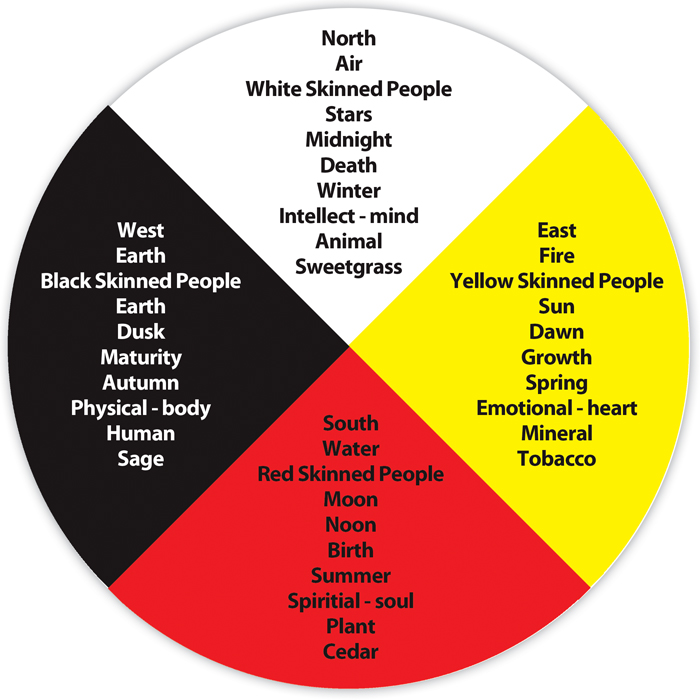
It is important to note that not all Indigenous cultures use the Medicine Wheel, and teachings differ between communities. The symbol should always be approached with respect and cultural awareness.
What Are Bundles
Bundles are an Indigenous cultural practice that carry deep meaning and responsibility. They are used to hold important items, stories, and teachings, often passed down through generations as a way of preserving knowledge and honouring relationships with the land, animals, and community.
Bundles are not simply collections of objects—they represent lived experiences, memory, and teachings. They often embody respect, gratitude, and connection to the natural world, reinforcing the responsibility to care for what has been given. While practices differ across nations, the central idea is the respectful transfer of knowledge from one generation to the next.
The Gratitude Bundle activity reflects these ideas. It invites students to build something meaningful that represents their own experiences while learning about the importance of story, reflection, and relationship.
Relationship Between Indigenous Knowledge and Nature
From many Indigenous perspectives, nature is not separate from people—it is a living system that sustains all life. Indigenous worldviews emphasize reciprocity, meaning that people have a responsibility to care for the land just as the land cares for them.
This relationship is often described as circular or reciprocal: the land provides food, water, and nourishment, while humans are responsible for respecting, protecting, and maintaining balance within the environment. This teaching reinforces sustainability and an understanding that all living things are interconnected.
Connection to Art and Theatre Performance
Indigenous tradition and ceremony are inherently related to theatre performance by engaging with voice, movement, and storytelling. Through this activity each of those practices is being done and as each student finds their items and builds their bundle, they share their individual story as a collective. Being in community and as a collective is another way that Indigenous culture connects to theatre creation.