

Indigenous Ways of Knowing: Water, Energy, and Stewardship
Through stories, case studies, land-based learning, and Two-Eyed Seeing, students explore Indigenous perspectives on water, energy, stewardship, and climate resilience.
- Grades K-12
- 4 activities
- 4.7 hours
Big idea
Relationships with land and water shape how communities generate energy, care for the environment, and adapt to change.
Learning objectives
- Develop an understanding of Indigenous perspectives on water, land, and energy.
- Explore the connections between hydroelectricity, climate resilience, and community well-being.
- Use Two-Eyed Seeing to understand and communicate multiple perspectives.
- Reflect on how individuals and communities can contribute to sustainable futures.
Activities

Two-Eyed Seeing Podcast/Video Project
Bring Two Perspectives Together Through Student Voices.

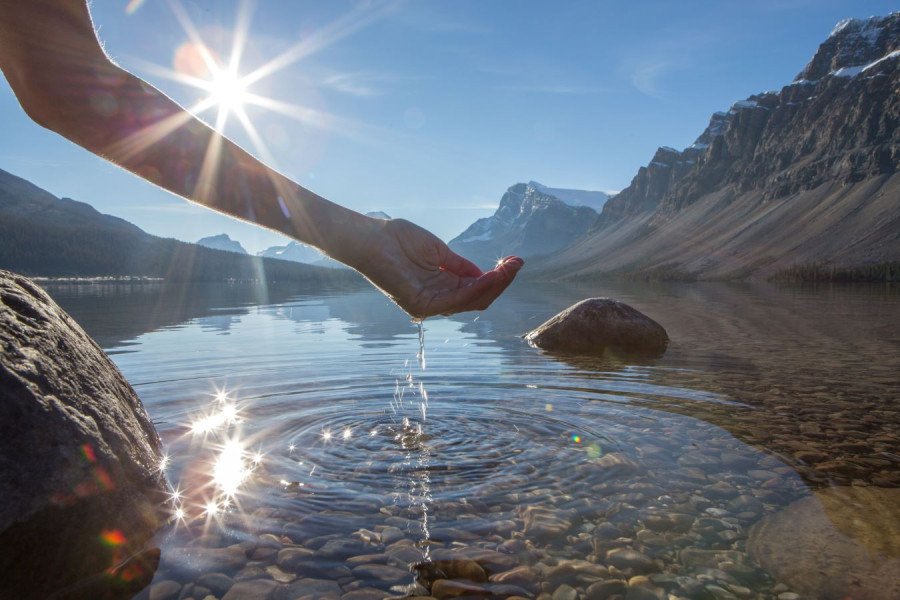
Gratitude Bundle
Connecting with nature to honor what grounds, nourishes, and grows us.
BC curriculum fit
Gratitude Bundle
- Health and Physical Education K-10
- Outdoor Education 11-12
- Social Studies K-10
- B.C. First Peoples 12
- Arts Education K-9
- Drama 10-12
Honouring and Caring for Water
- Arts Education 1-3
- Language Arts 1-3
- Social Studies 1-3
Two-Eyed Seeing Podcast/Video Project
- Language Arts 4-7
- Applied Design, Skills, and Technologies 4-7
- Social Studies 4-7
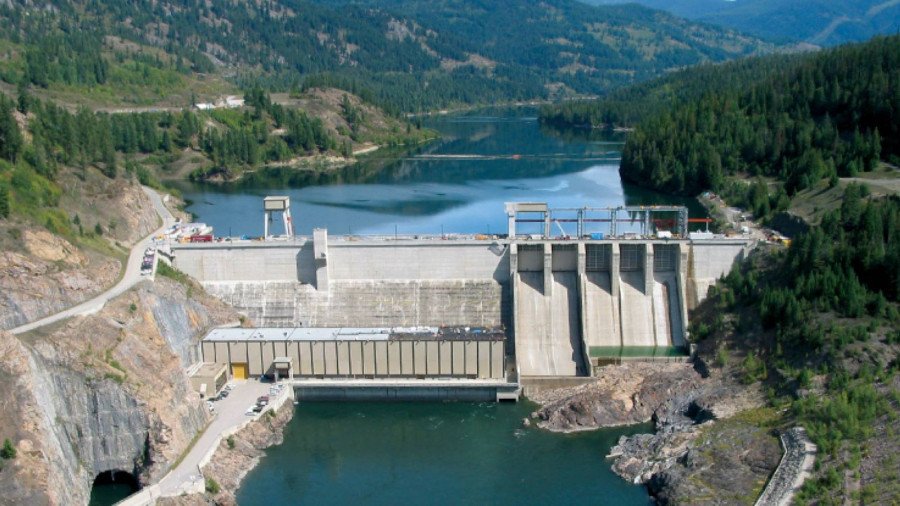
Land, Water, and Power: Indigenous Perspectives on Hydroelectricity
- Science 8-10
- Applied Design, Skills, and Technologies 8-9
- Environmental Science 11-12
- Social Studies 8-10
- B.C. First Peoples 12
Assessments
Each activity includes suggestions on what to assess throughout the activities.
Background info
This unit invites students to explore the interconnected relationships between water, land, energy, and community through Indigenous perspectives and experiences. By engaging with concepts such as stewardship, climate resilience, hydroelectricity, gratitude, and Two-Eyed Seeing, students examine how different ways of knowing contribute to our understanding of the natural world and our responsibilities within it. Learners are encouraged to reflect on the cultural, environmental, and social significance of water and energy while considering how Indigenous knowledge and Western approaches can work together to support sustainable futures. Through inquiry, discussion, and creative expression, students develop a deeper appreciation for the relationships that sustain people, places, and ecosystems.
Adaptions/modifications
Each activity offers potential modifications and extensions suggestions.
