

Political Influence
Students explore Canada’s federal, provincial, and municipal governments through discussion and debate, examining climate change, clean energy, and which levels make related decisions.
- Grade 10
- 3 activities
- 3.8 hours
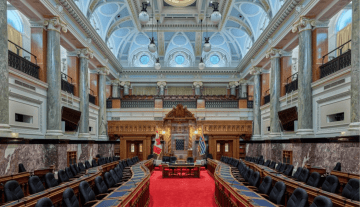
Big idea
Social Studies 10: Political institutions evolve due to economic, social, ideological, geographic factors.
Learning objectives
- Demonstrate understanding of the different levels of government and their roles
- Explore how we make electricity in B.C. and other renewable energy sources
- Through research and debate, learn how to share ideas and form opinions on political stances.
Activities
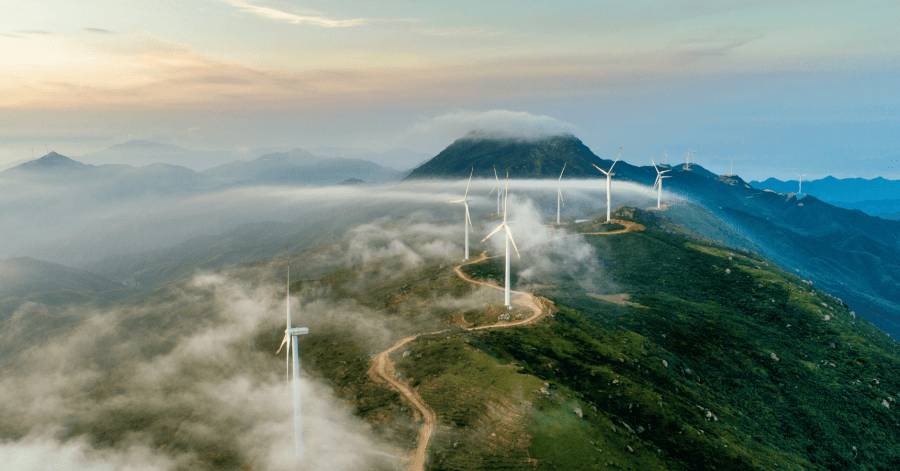
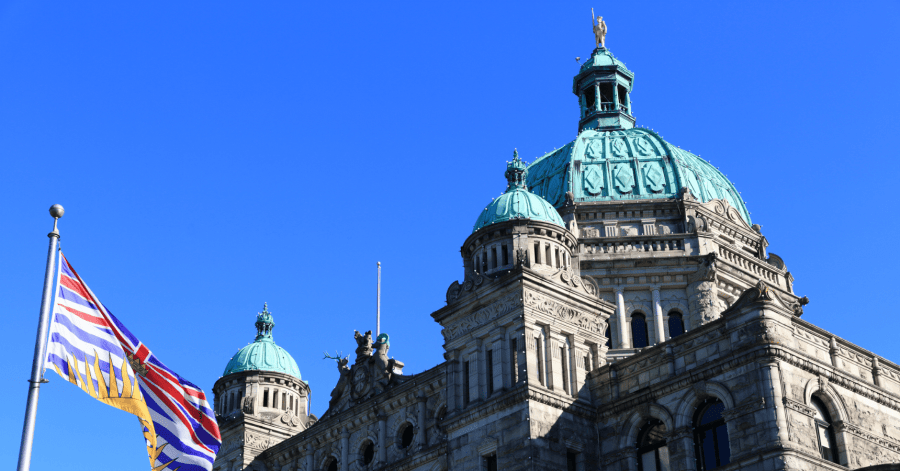
Political sway
Put forward your ideas in a respectful political debate to evaluate clean electricity in B.C.
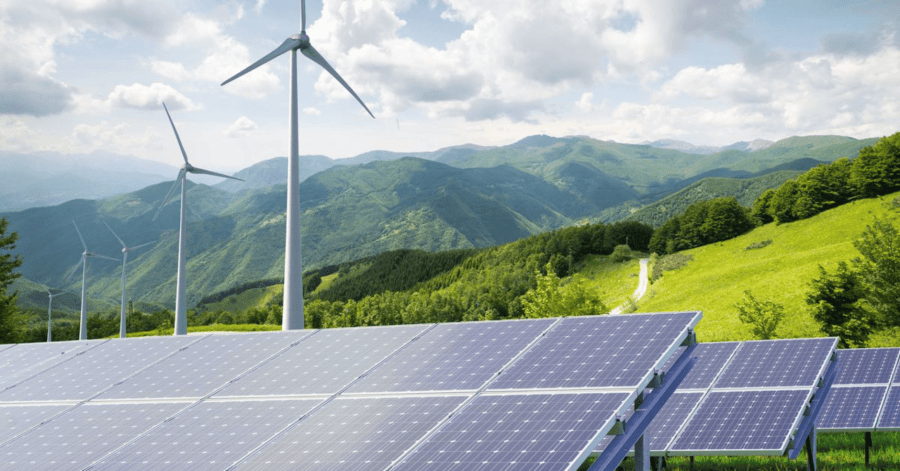
Energy and politics
Consider the pros and cons of energy sources using effective research and sharing.
BC curriculum fit
See how this unit maps to the B.C. Curriculum requirements for Socials 10.
Communications
- Connect and engage with others (to share and develop ideas).
Collaborating
- Working collectively
Thinking
- Creative thinking: creating and innovating, generating and incubating.
- Critical and reflective thinking: questioning and investigating, designing and developing.
Personal and Social
- Social awareness and responsibility: contributing to community and caring for the environment
Social Studies 10
Big idea
- The development of political institutions is influenced by economic, social, ideological, and geographic factor
Content
- Environmental, political, and economic policies
Competencies
- Use Social Studies inquiry processes and skills to ask questions; gather, interpret, and analyze ideas; and communicate findings and decisions
Assessments
- Assess students’ participation in class discussion, debate and trivia questions
- Assess students’ group work co-operation and collaboration
- Assess students’ thoughtfulness and consideration as they determined the ideas that matched their values.
Background info
What is renewable energyRenewable energy is energy made from renewable natural resources that are replenished on a human timescale. Examples include solar, wind, hydro, and geothermal. Effects of fossil fuelsEnergy sources such as coal, oil and natural gas are known as fossil fuels. They originate from remains of living organisms over millions of years. When burned they release large quantities of greenhouse gases like carbon dioxide into the atmosphere that contribute to global warming and climate change. Levels of governmentIn this unit, students learn about the different levels of government and their responsibilities, as well as explore various types of energy and power generation. Numerous educational resources are included in the related activities, such as the followings: |
