



Teacher support
Beyond the Orange Shirt
Sep 21, 2026
5 min read
For Truth and Reconciliation Day, as an Indigenous educator working with the Power Smart for Schools program, I wanted to share some perspectives on what this day means. I also want to offer ways you can recognize and participate in the day, along with resources that can be brought into the classroom.
This day is an important opportunity to recognize and honour the Indigenous Peoples whose lands we reside on, and to learn from the cultures and knowledge they choose to share. While this day can be a time of celebration as we acknowledge Indigenous cultures, there is also a heaviness that remains as we remember and reflect on Canada's ongoing history with Indigenous Peoples.
To begin a discussion about this day, ask students: What does truth mean? What does reconciliation mean? It is important to understand these words and the significance they hold in relation to Indigenous Peoples' history in Canada.
From an Indigenous perspective, truth is the first step in recognizing and acknowledging what has happened to Indigenous Peoples in Canada. Reconciliation is an ongoing effort to repair relationships, honour Indigenous voices and perspectives, and include them in the work we do. It is a commitment that extends beyond a single day. After discussing the meaning of these words, ask students to think about examples of how truth and reconciliation can be demonstrated in society, in their daily lives, or even in the classroom.
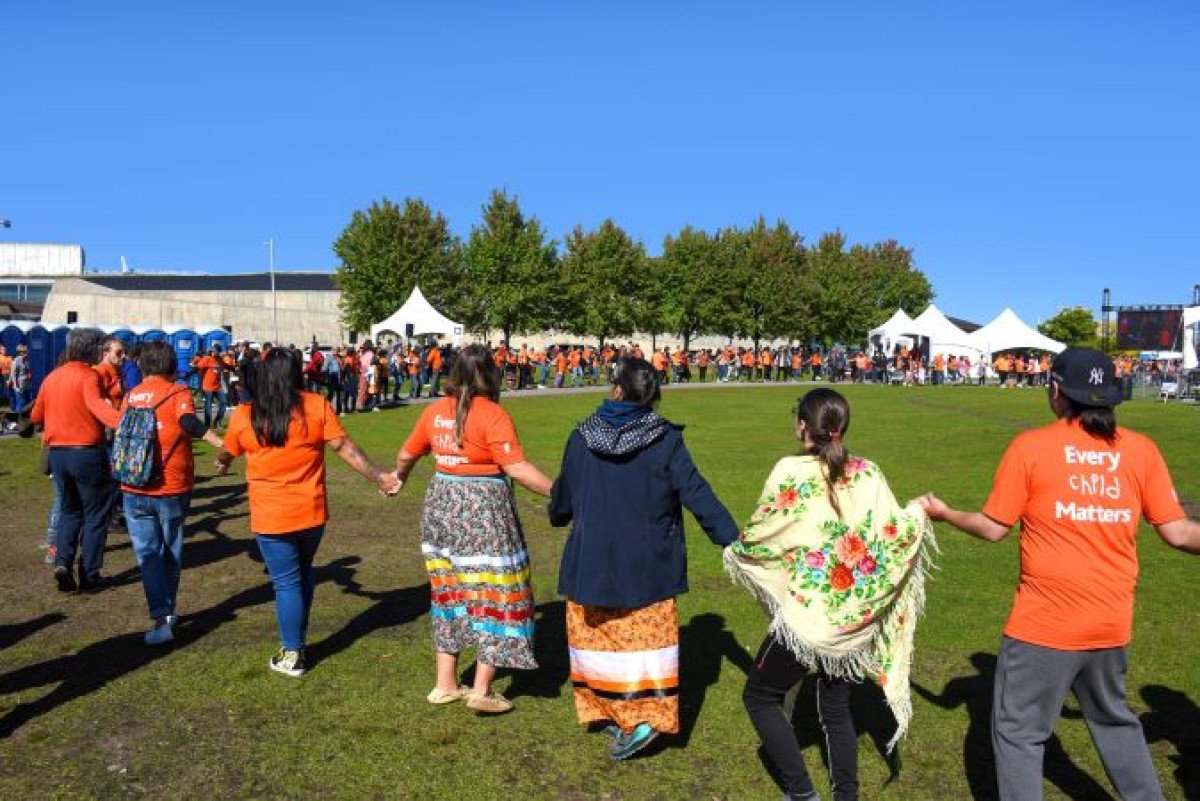
Another important part of this conversation is Orange Shirt Day, which is observed alongside the National Day for Truth and Reconciliation. The orange shirt represents the experiences of Indigenous children who were taken from their families and communities through the residential school system. Wearing an orange shirt is one way to show support and acknowledge the histories, or truths, that Indigenous Peoples have experienced in Canada.
The history represented by Orange Shirt Day is only one part of what Truth and Reconciliation Day encompasses. While Orange Shirt Day provides an important opportunity to recognize the impacts of residential schools, we hope the discussion prompts and resources below help students and educators explore the broader themes of truth and reconciliation, as well as the ongoing journey toward understanding and action.
If you would like to explore the meaning of Orange Shirt Day further, check out our activity, Every Child Matters.
If you are looking to bring Indigenous knowledges into your classroom beyond Orange Shirt Day, check out our Indigenous-focused unit Indigenous Ways of Knowing: Water, Energy, and Stewardship. It includes activities for all grade levels that engage with a variety of Indigenous knowledges and perspectives.
Below are resources to help you learn more about the day, find orange shirts created and sold by Indigenous businesses, and discover ways to honour the Indigenous Peoples in your community during the week leading up to September 30.
More information about Truth and Reconciliation Day:
Examples of Orange Shirts sold by Indigenous people:
Things to do:
Recent posts

Classroom delighters | 5 min
Cool things for back-to-school

Community updates | 8 min
Welcome to the Summer Break hub
Community updates | 12 min
Get ready for Electrical Safety Week

Community updates | 8 min
